Introduction
Menopause is a natural phase in a woman’s life that signifies the end of her reproductive years. On
average, women experience menopause around the age of 51. However, certain lifestyle factors, such as
smoking, can lead to premature menopause—occurring before the age of 40 or 45. Smoking is a well-known
risk factor for various health conditions, but its impact on reproductive health is often overlooked. In
the field of Gynaecology, it’s
recognized
that smoking can significantly increase the risk of premature menopause. In this blog, we’ll explore why
women who smoke cigarettes face a higher risk of premature menopause and what the signs and symptoms
are.
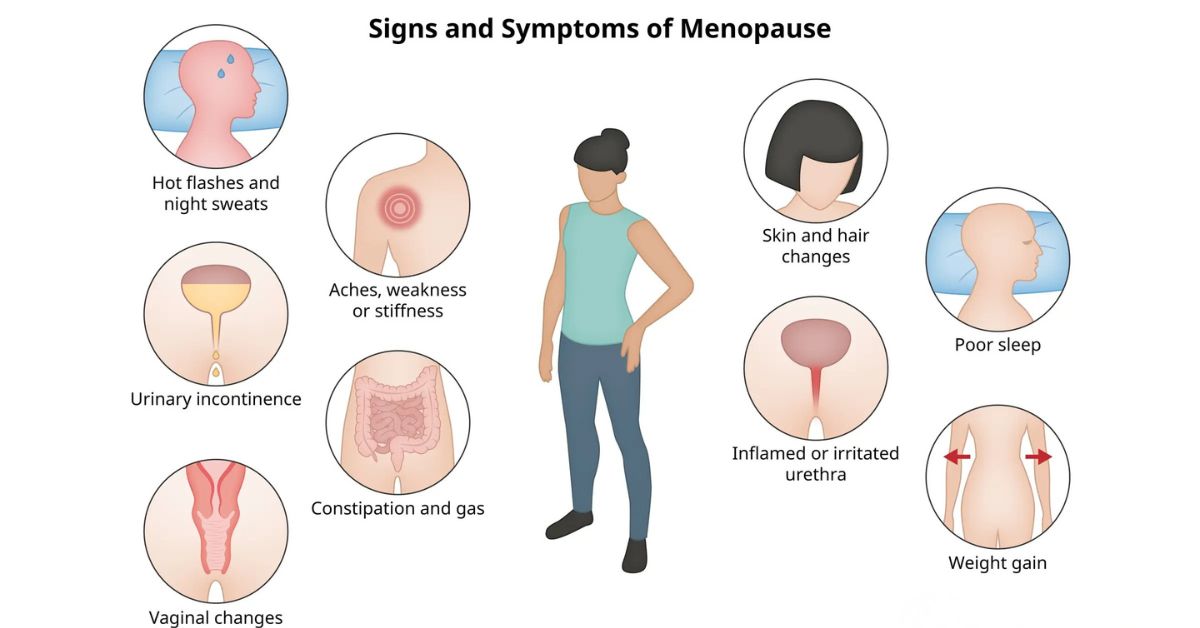
Symptoms Experienced During Menopause
Menopause marks the end of a woman’s menstrual cycles and is diagnosed after 12
consecutive months without a period. Some common symptoms of menopause include:
- Hot flashes: Sudden feelings of heat, often accompanied by sweating
and flushing.
- Night sweats: Hot flashes occurring during sleep, leading to
disrupted rest.
- Mood changes: Increased irritability, anxiety, or depression.
- Vaginal dryness: Reduced moisture in the vaginal tissues, leading
to discomfort during intercourse.
- Sleep disturbances: Trouble falling or staying asleep.
- Decreased libido: Reduced interest in sexual activity.
These symptoms can vary in intensity, but smoking can amplify their effects and increase
the likelihood of experiencing them at an earlier age. If you're concerned about the
impact of smoking on your reproductive health, consulting a
Gynaecologist in Mumbai can
help you understand your risks and guide you on managing symptoms effectively.
How Does Cigarette Smoking Cause Premature Menopause?
Cigarette smoking accelerates the depletion of a woman's eggs, which are crucial for fertility.
Women are born with a finite number of eggs, and as they age, the number of eggs decreases.
Smoking speeds up this process by reducing the number of viable eggs in the ovaries. Here's how
smoking plays a role:
- Toxins in cigarettes: Cigarette smoke contains harmful chemicals that
damage the ovaries and accelerate ovarian aging. These toxins, particularly nicotine and
carbon monoxide, reduce blood flow to the ovaries, affecting their function.
- Lower estrogen levels: Smoking has been shown to reduce estrogen levels in
women. Estrogen is essential for regulating the menstrual cycle and maintaining reproductive
health. Lower levels of estrogen contribute to the earlier onset of menopause.
- Increased risk of ovarian damage: Smoking increases the risk of ovarian
damage, which directly influences the timing of menopause. Women who smoke are more likely
to experience early follicular depletion, leading to earlier menopause.
As a result, women who smoke are more likely to face the symptoms of menopause earlier than
non-smokers. Seeking help from a Gynaecologist in
Mumbai is
essential for those who are
concerned about the potential risks of smoking and its impact on menopause.
Other Factors That Contribute to Premature Menopause
While smoking is a significant factor in premature menopause, several other lifestyle and
genetic factors can contribute to this condition:
- Genetics: A family history of early menopause can increase a woman’s risk.
If your mother or grandmother experienced early menopause, you may be at a higher risk.
- Chemotherapy or radiation therapy: These cancer treatments can damage the
ovaries and cause early menopause.
- Poor diet and excessive alcohol consumption: A poor diet lacking essential
nutrients, combined with excessive alcohol use, can contribute to hormonal imbalances and
accelerate ovarian aging.
The Role of Gynaecology in Mumbai: Early Detection and
Management
Seeking professional advice from a Gynaecologist in
Mumbai is crucial for early detection of
menopause-related issues. A specialist can provide guidance on managing symptoms and minimizing
the risks associated with premature menopause. For women who smoke, a Gynaecologist in Mumbai
can help develop a plan to quit smoking, manage hormonal imbalances, and offer fertility
preservation options if necessary.
How to Minimize the Risk of Premature Menopause
If you are concerned about premature menopause, the best course of action is to quit
smoking as soon as possible. Stopping smoking can reduce the damage to your ovaries and
slow down the aging process. Additionally, leading a healthy lifestyle that includes a
balanced diet, regular exercise, and limited alcohol intake can support your
reproductive health and potentially delay the onset of menopause.
Consultation at Bombay Hospital – Your Trusted Medical Centre
Mumbai is home to some of the finest medical institutions in India, and the Bombay Hospital and
Medical Research Centre stands out as a hub for high-quality healthcare. Established in
1952,
this hospital is renowned for its state-of-the-art facilities and expertise across various
medical fields. The hospital specializes in areas like Cardiology, Gastroenterology, Pulmonary
Medicine, and Gynaecology. The hospital’s multidisciplinary approach ensures that women dealing
with menopause or other reproductive health issues receive the best care possible.
For consultations or inquiries, you can contact the hospital at +91-22-22067676
FAQs
Yes, smoking can lead to premature menopause by damaging the ovaries and reducing
estrogen levels, which accelerates the aging process of your reproductive system.
Symptoms include hot flashes, night sweats, vaginal dryness, mood swings, and changes in
menstrual patterns. These symptoms can occur earlier in women who smoke.
Quitting smoking, maintaining a healthy diet, and staying physically active can help
reduce the risk of premature menopause.
Yes, premature menopause can result in infertility, as the ovaries stop producing eggs.
Women concerned about fertility should consult a specialist for options like egg
freezing.
Treatment options may include hormone replacement therapy (HRT) to manage symptoms, as
well as lifestyle changes to improve overall health. A Gynaecologist will provide a
personalized treatment plan.
Conclusion
Women who smoke are at a significantly higher risk of experiencing premature menopause due to the
damaging effects of smoking on the ovaries and hormone levels. It's important to understand the
risks and take preventive steps, such as quitting smoking, to maintain your reproductive health.
Consulting a Gynaecologist
in
Mumbai can help guide you through the process and offer solutions for
managing symptoms or preserving fertility. If you’re experiencing signs of premature menopause,
don’t hesitate to seek professional medical care to ensure your health and well-being.