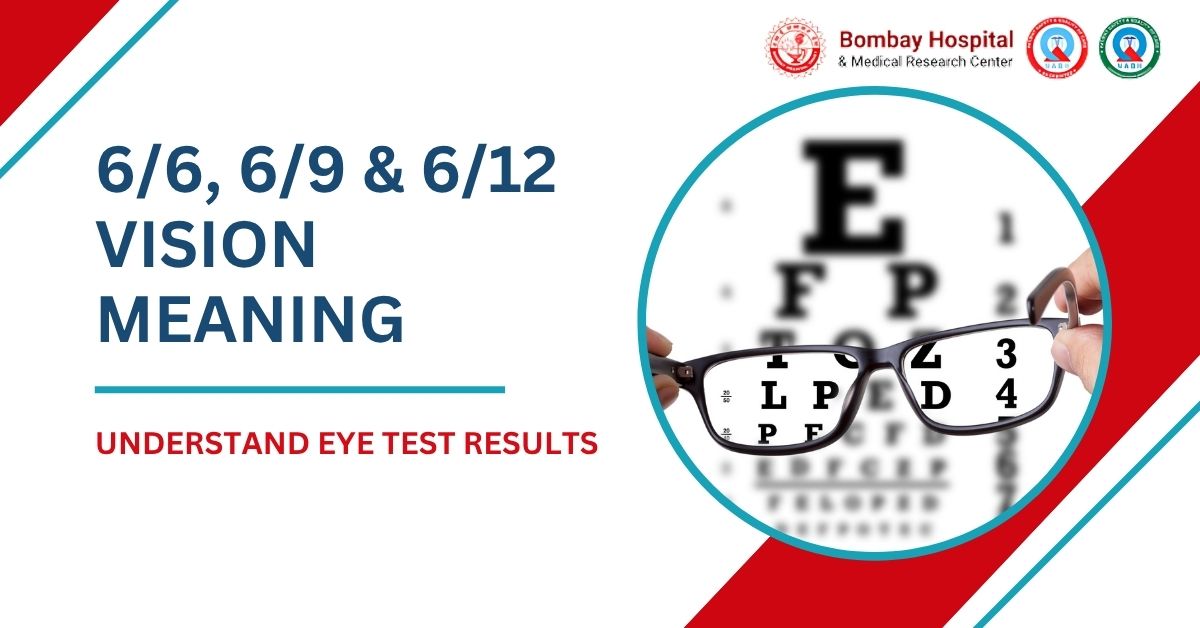
Eye Test Results Explained: What Do 6/6, 6/9, and 6/12 Vision Mean?

Introduction

Have you ever checked your eye test report and wondered what numbers like 6/6, 6/9, or 6/12 vision actually mean? These numbers are part of a visual acuity test that measures how clearly you can see details from a fixed distance. Understanding your vision score helps you know whether you may need glasses, further evaluation, or routine monitoring. This guide explains visual acuity, the meaning of common eye test results, and when you should consult an eye care specialist.

What Do 6/6, 6/9, and 6/12 Vision Mean?

Vision Score What It Means
6/6 vision Standard visual acuity. You can see at 6 metres what a person with normal vision can see at 6 metres.
6/9 vision Mild reduction in clarity. You can see at 6 metres what a person with normal vision can see at 9 metres.
6/12 vision Reduced visual clarity. You can see at 6 metres what a person with normal vision can see at 12 metres.

The first number represents the testing distance, while the second number indicates the distance at which a person with standard vision can read the same line on the eye chart.

What Is Visual Acuity?

Visual acuity test explained by ophthalmologist in Mumbai showing eye vision clarity measurement

Visual acuity refers to the sharpness and clarity of your eyesight. It measures your ability to identify small details at a specific distance.

During an eye test, doctors usually use a Snellen chart that contains letters or symbols arranged in different sizes. You read the chart from a fixed distance, and the smallest line you can identify correctly determines your visual acuity score. A visual acuity test is an important part of a complete eye examination, but it is not the only measure of eye health. A person may have good visual acuity and still have conditions that require evaluation, such as glaucoma, retinal problems, or early eye changes.

A complete evaluation by an experienced Ophthalmology specialist helps assess vision along with other aspects of eye health.

What Does 6/6 Vision Mean?

Many people think 6/6 vision means perfect eyesight. In reality, it represents standard or normal visual acuity.

If your report shows 6/6 vision, it means you can read at 6 metres the same line that a person with standard vision can read at 6 metres.

People with 6/6 vision usually do not require glasses for distance vision, but this does not completely rule out other eye conditions. Eye health depends on factors such as:

  • Eye pressure
  • Retina health
  • Lens clarity
  • Focusing ability
  • Age-related changes

For this reason, regular eye examinations remain important even if your vision score appears normal.

Understanding 6/9 Vision

A 6/9 vision result means your eyesight is slightly below the standard 6/6 measurement.

For example, you may need to stand closer to an object to see the same details that someone with standard vision can see from a greater distance.

Some people with 6/9 vision may notice:

  • Difficulty reading distant signs
  • Slight blurring while watching screens from far away
  • Trouble seeing clearly in low-light conditions
  • Eye strain during prolonged visual tasks

Whether you need glasses depends on your symptoms, daily activities, and complete eye examination findings.

An experienced eye specialist in Mumbai can evaluate whether your vision changes are due to refractive errors or another underlying eye condition.

What Does 6/12 Vision Indicate?

A 6/12 vision score means your distance vision clarity is lower compared with 6/6 vision.

A person with 6/12 vision can see at 6 metres what someone with standard vision can see from 12 metres.

This may affect activities such as:

  • Reading road signs
  • Recognising faces from a distance
  • Watching presentations or boards
  • Driving, especially in challenging lighting conditions

6/12 vision does not always mean serious eye disease. It can occur due to common causes such as:

  • Near-sightedness (myopia)
  • Far-sightedness (hypermetropia)
  • Astigmatism
  • Age-related vision changes
  • Cataract or other eye conditions

A detailed examination helps determine the reason behind reduced visual clarity and the right treatment approach.

Is 6/6 Vision Better Than 6/9 or 6/12 Vision?

The numbers describe how clearly you can see compared with the standard measurement.

Generally:

  • 6/6 indicates standard distance vision.
  • 6/9 indicates slightly reduced visual clarity.
  • 6/12 indicates further reduction compared with 6/6.

Your eye test result should always be interpreted along with your symptoms, age, lifestyle needs, and overall eye health.

For example, a person who drives regularly or works in a profession requiring detailed distance vision may need different guidance compared with someone whose daily activities do not require sharp distance vision.

What Factors Can Affect Your Eye Test Results?

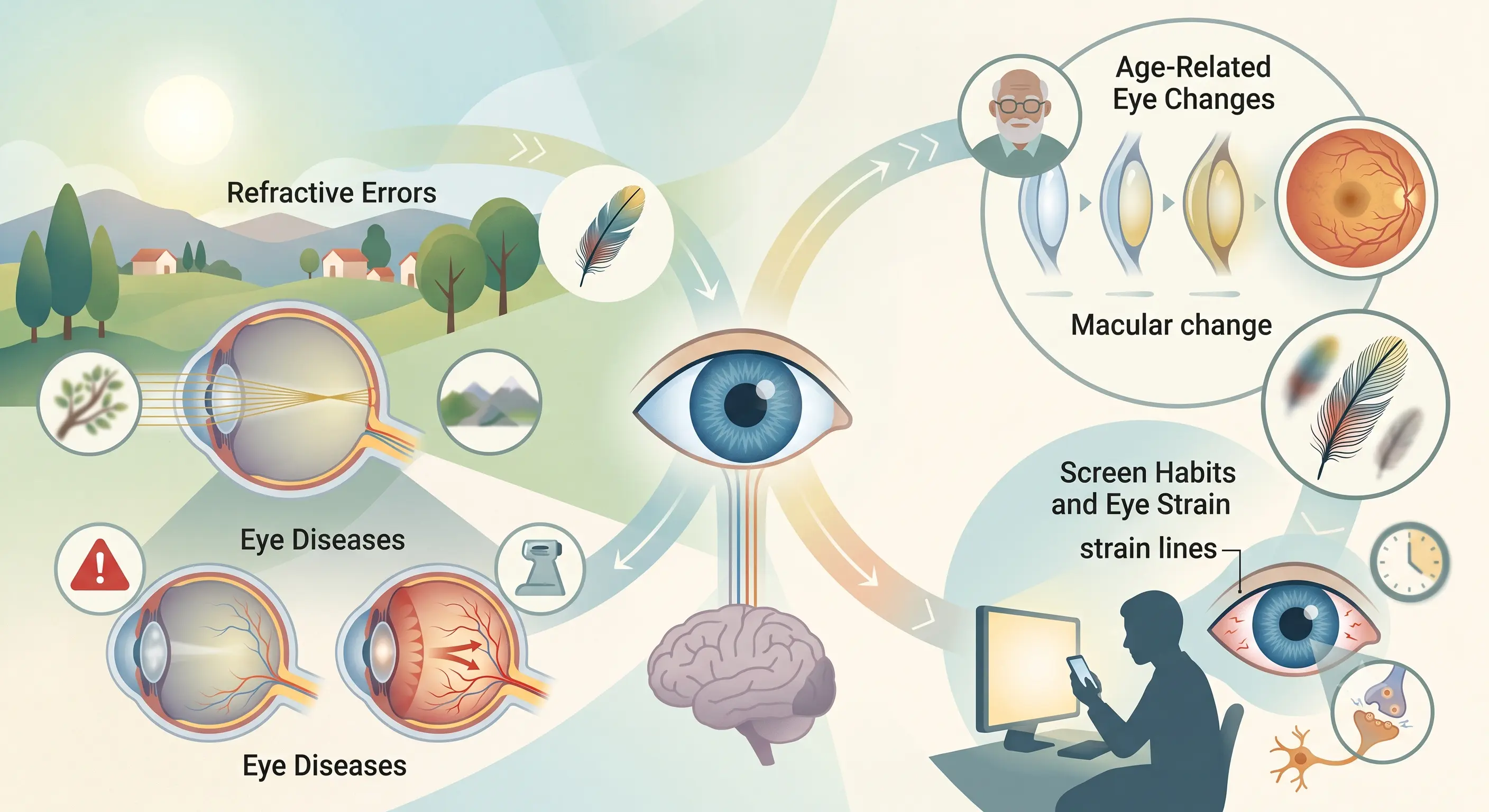
Factors affecting eye test results explained by an ophthalmologist at Bombay Hospital Mumbai during a vision assessment

Several factors can influence your visual acuity score.

  • Refractive Errors: Conditions like myopia, hypermetropia, and astigmatism can affect how clearly images are focused on the retina. Glasses or contact lenses may help improve clarity in these situations.
  • Age-Related Eye Changes: As people age, changes in the eye lens and other structures may affect vision. Cataract, presbyopia, and other age-related conditions may require evaluation.
  • Eye Diseases: Certain eye conditions may affect vision gradually. Regular examinations help detect problems at an early stage.
  • Screen Habits and Eye Strain: Long periods of screen use may cause temporary discomfort, dryness, or eye fatigue. Maintaining healthy screen habits supports better eye comfort.

A trusted ophthalmology hospital Mumbai provides complete eye evaluations to understand the cause behind vision changes.

When Should You Consult an Eye Specialist?

You should schedule an eye examination if you experience:

  • Blurred or changing vision
  • Difficulty seeing distant objects
  • Frequent headaches while focusing
  • Trouble seeing at night
  • Sudden vision changes
  • Difficulty reading despite using glasses

Regular eye check-ups are especially important for people with diabetes, high blood pressure, a family history of eye diseases, or previous eye conditions.

Consulting an expert ophthalmology doctor in Mumbai can help identify vision problems early and guide you towards appropriate care.

Comprehensive Eye Care at Bombay Hospital

Bombay Hospital provides complete eye care services through experienced specialists and advanced diagnostic facilities.

The Ophthalmology department focuses on evaluation and management of various eye conditions, including:

  • Routine eye examinations
  • Cataract evaluation and treatment
  • Glaucoma assessment
  • Retina-related conditions
  • Vision correction needs
  • Age-related eye problems

Whether you need a routine vision assessment or evaluation of changing eyesight, consulting a qualified specialist helps you understand your eye health better.

Patients looking for the best ophthalmologist in Mumbai can benefit from specialist evaluation, accurate diagnosis, and personalised treatment planning at Bombay Hospital.

FAQs

Yes, 6/6 vision is considered standard visual acuity. It means you can see details clearly at the standard testing distance. It does not mean every part of your eye is completely free from disease.

6/9 vision indicates slightly reduced visual clarity compared with 6/6. Some people function normally with this vision, while others may require correction depending on their needs.

Not always. Glasses may be recommended if reduced vision is caused by refractive errors. A complete eye examination helps determine whether correction is needed.

Yes. Visual acuity only measures clarity of vision. Conditions affecting the retina, optic nerve, or eye pressure may require additional tests.

The frequency depends on your age, medical history, symptoms, and risk factors. Routine eye examinations help detect changes early and maintain long-term eye health.

Conclusion

Understanding eye test results like 6/6, 6/9, and 6/12 helps you better understand your vision report and make informed decisions about eye care. While visual acuity is an important measurement, a complete eye examination provides a wider assessment of your eye health. If you notice changes in your eyesight or want a professional evaluation, consult an experienced ophthalmologist in Mumbai at Bombay Hospital for guidance and appropriate care. Regular eye check-ups can help protect your vision at every stage of life.

Send us a message

Have any questions? We are ready to help.

List of Consultants

R.C. Patel

Dr. R.C. Patel

M.S.(Ophthal), DOMS

Ophthalmologist

Mayur Morekar

Dr. Mayur Morekar

MS (Ophthalmology); MA (Counselling Psychology) DOMS, FCPS, DNB, FRCS (Glasg) (Ophthalmology) ADBA; PGDHM, PGDMLS

Ophthalmologist

Nagendra Shah

Dr. Nagendra Shah

M.S., D.N.B., M.N.A.M.S.(OPHTHAL), F.I.C.O.(UK), F.A.E.H.(MDU)

Ophthalmology

Sandeep Kataria

Dr. Sandeep Kataria

MBBS, DNB, DOMS

Ophthalmologist

Karobi Lahiri

Dr. Karobi Lahiri

MBBS, MS, DNB

Ophthalmologist

Neepa Thacker

Dr. Neepa Thacker

MBBS, DNB

Ophthalmologist

Ajay Dudani

Dr. Ajay Dudani

MS, DNB, FCPS, DOMS

Ophthalmologist

Book Appointment Book Appointment