Every year, World Malaria Day reminds us that malaria is still a serious health threat and a major Infectious Disease
concern worldwide. It affects millions of people, especially in
tropical countries like India. This day focuses on awareness, prevention, and early treatment. It also
highlights the global effort to eliminate malaria. In this blog, you will learn what World Malaria Day
means, why it matters, how malaria spreads, and what steps you can take to stay safe.
Why World Malaria Day Matters Globally?
World Malaria Day is observed on April 25 each year. It was established by the World Health
Organization to raise awareness about malaria and promote actions to control it.
Key facts:
- It started in 2007 to replace Africa Malaria Day
- It focuses on prevention, diagnosis, and treatment
- Governments and health organizations run campaigns on this day
Why it matters to you:
Malaria is preventable and treatable, yet many people still suffer due to lack of awareness.
This day encourages communities to take simple steps like using mosquito protection and seeking
early treatment, with guidance from a general surgeon in Mumbai
when
complications arise.
Understanding Malaria: Causes and Transmission
Malaria is caused by parasites from the Plasmodium family. It spreads through the bite of
infected female Anopheles mosquitoes.
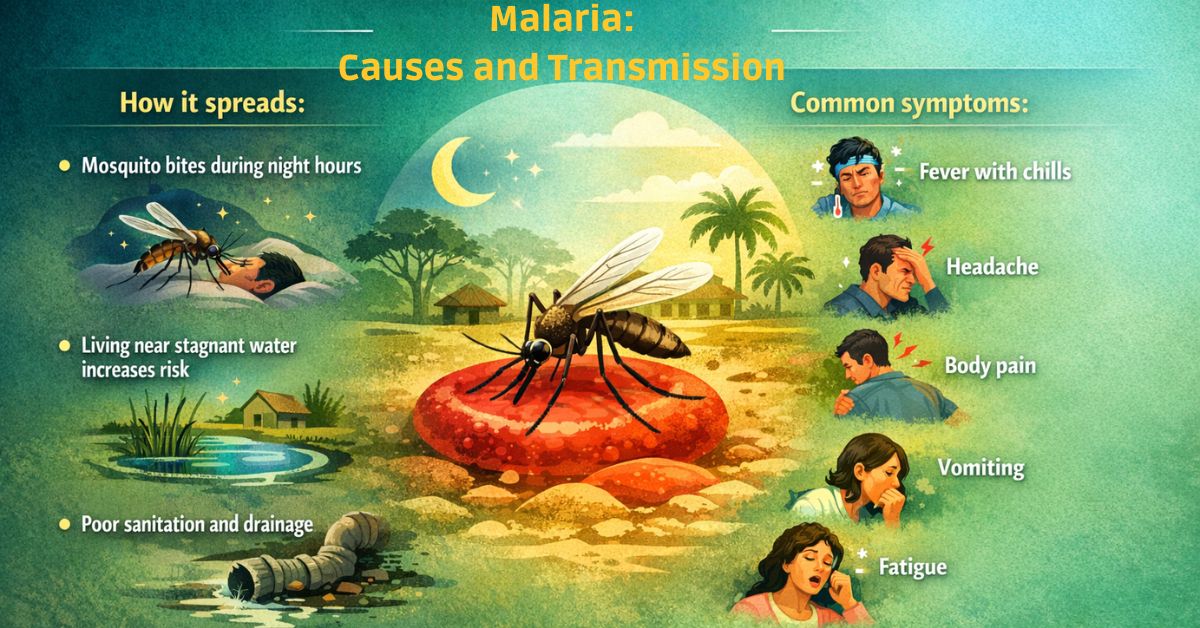
How it spreads:
- Mosquito bites during night hours
- Living near stagnant water increases risk
- Poor sanitation and drainage
Common symptoms:
- Fever with chills
- Headache
- Body pain
- Vomiting
- Fatigue
If you ignore early signs, malaria can become severe. In some cases, it may affect the brain,
lungs, or kidneys, requiring urgent care from a general surgeon in Mumbai.
Why Malaria Is Still a Concern in 2026
Despite progress, malaria remains a challenge in many parts of the world.
Key reasons:
- Climate conditions that support mosquito breeding
- Lack of awareness in rural areas
- Delay in diagnosis and treatment
- Drug resistance in some regions
India\u2019s situation:
India has made progress in reducing malaria cases. Still, certain states report seasonal
outbreaks. Monsoon increases mosquito breeding, which raises infection risk.
Ask yourself: Do you take mosquito prevention
seriously during the rainy season?
Prevention: What You Can Do
Preventing malaria is simple if you follow basic steps.
Personal protection:
- Use mosquito nets while sleeping
- Apply mosquito repellents
- Wear full-sleeve clothes in evening
Home safety:
- Remove stagnant water from surroundings
- Keep water tanks covered
- Use mosquito screens on windows
Community action:
- Participate in cleanliness drives
- Spread awareness in your area
- Support local health programs
Small actions can reduce your risk and protect your family.
Diagnosis and Treatment
Early diagnosis can save lives. If you notice symptoms, do not
delay.
How malaria is diagnosed:
- Blood test to detect parasites
- Rapid diagnostic tests
Treatment options:
- Antimalarial medicines prescribed by doctors
- Supportive care like hydration and rest
Never take medicines without consulting a doctor. Incomplete
treatment may lead to complications.
Role of Awareness and Global Efforts
World Malaria Day is not just about information. It drives real
action.
Global efforts include:
- Distribution of insecticide-treated nets
- Indoor spraying programs
- Research for vaccines
- Public awareness campaigns
Your role:
- Stay informed
- Act early when symptoms appear
- Encourage others to take precautions
When communities work together, malaria cases drop significantly.
Introduction for Consultation
The Bombay hospital provides treatment across multiple
specialties including Cardiology,
Cardiovascular Thoracic Surgery, Endocrinology, Gastroenterology, Nephrology, Neurology,
Neurosurgery, Paediatric Surgery, Plastic Surgery, Pulmonary Medicine, Rheumatology, Urology,
Oncology, and more.
If you experience symptoms of malaria or any other health concern, timely consultation can make
a big difference-consult a general surgeon in Mumbai
for expert medical guidance.
FAQs
Each year has a different theme focused on elimination and awareness. The 2026 theme
continues to emphasize global action and community participation.
Yes, malaria can be cured if diagnosed early and treated with proper medication.
No, malaria does not spread directly between people. It spreads through infected
mosquito bites.
Children, pregnant women, and people living in areas with poor sanitation face higher
risk.
You should see a doctor as soon as you experience fever with chills, especially after
mosquito exposure.
Conclusion
World Malaria Day 2026 reminds you that prevention starts with awareness. Malaria still affects many
lives, yet simple steps can reduce the risk. Use mosquito protection, keep your surroundings clean,
and seek medical help at the right time. Your actions matter not only for your health but also for
your community. Stay alert, stay protected, and take malaria seriously.