Common Winter Illnesses and How to Stay Healthy
Winter can bring several health concerns, including colds, flu, cough, breathing difficulties,
joint stiffness, and dry skin. Changes in temperature, dry air, and increased indoor contact can
affect your health in different ways. People with existing medical conditions may need extra
care during colder months. Understanding common winter health problems, recognising early
symptoms, and following practical prevention measures can help you and your family stay healthy.
What Are the Most Common Winter Health Problems?
Different health conditions can become more noticeable during winter. Some are caused by
infections, while others are linked to cold temperatures, dry air, or existing medical
conditions.
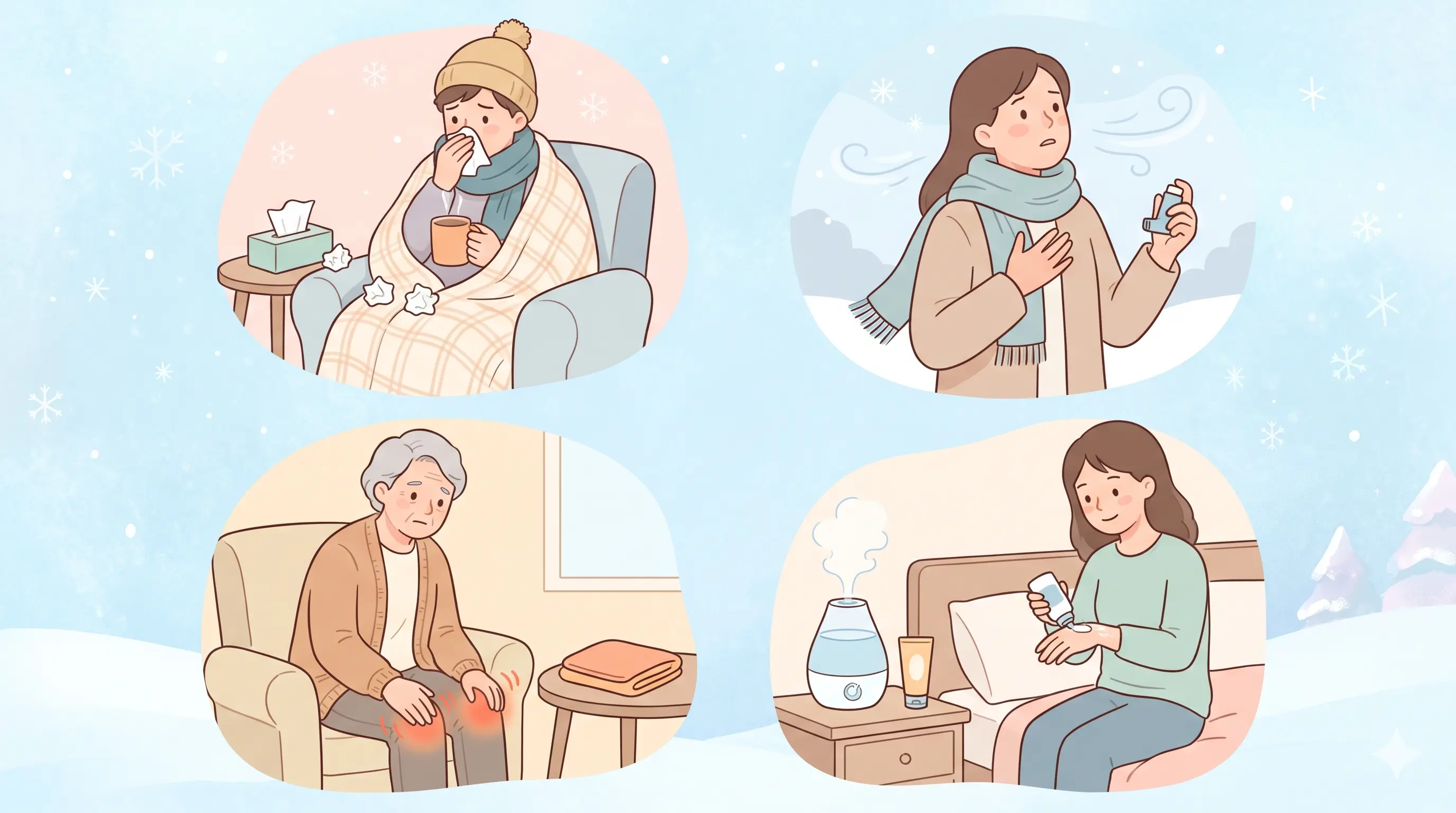
Common Cold and Seasonal Flu
The common cold and influenza are viral
respiratory infections. Although they share
symptoms,
flu often develops suddenly and causes more severe illness.
Common symptoms include:
- Runny or blocked nose
- Sore throat and cough
- Fever and body aches
- Headache and fatigue
Asthma and Respiratory Problems
Cold, dry air can irritate sensitive airways and trigger asthma symptoms. People with COPD may
also experience breathing difficulties.
Common signs include wheezing, chest tightness, and shortness of
breath.
Joint Pain and Arthritis
Some people experience increased joint stiffness during colder weather. Reduced physical
activity may make discomfort more noticeable.
Dry Skin and Eczema
Low humidity and frequent hot showers can worsen skin dryness, causing itching, cracking, and
irritation.
Winter Health Problems and Their Symptoms
| Health Problem |
Common Symptoms |
When to Consult a Doctor |
| Common Cold |
Sneezing, runny nose, cough |
Persistent or worsening symptoms |
| Seasonal Flu |
Sudden fever, body aches, fatigue |
Severe symptoms or increased health risks |
| Asthma |
Wheezing, chest tightness |
Worsening breathing symptoms |
| Pneumonia |
Fever, cough, rapid breathing |
Prompt medical assessment |
| Arthritis |
Joint pain, morning stiffness |
Persistent pain or swelling |
| Eczema |
Dryness, itching, cracked skin |
Severe or persistent irritation |
A General
Medicine Specialist in Mumbai can help evaluate symptoms when
the cause of an illness
is unclear.
Why Do People Get Sick More Often in Winter?
Winter weather does not directly cause viral infections. Respiratory illnesses spread through
viruses, but certain seasonal conditions can increase exposure.
Common contributing factors include:
- Indoor gatherings: Spending time in crowded, poorly ventilated rooms can increase the spread
of respiratory viruses.
- Dry air: Low humidity may irritate the nose, throat, and respiratory passages.
- Air pollution: Dust and pollution can aggravate asthma and other respiratory conditions.
- Reduced activity: Less movement can contribute to stiffness and affect physical fitness.
Recognising these factors helps you reduce exposure and manage winter health problems more
effectively.
How Does Winter Affect Heart Health and Existing Medical
Conditions?
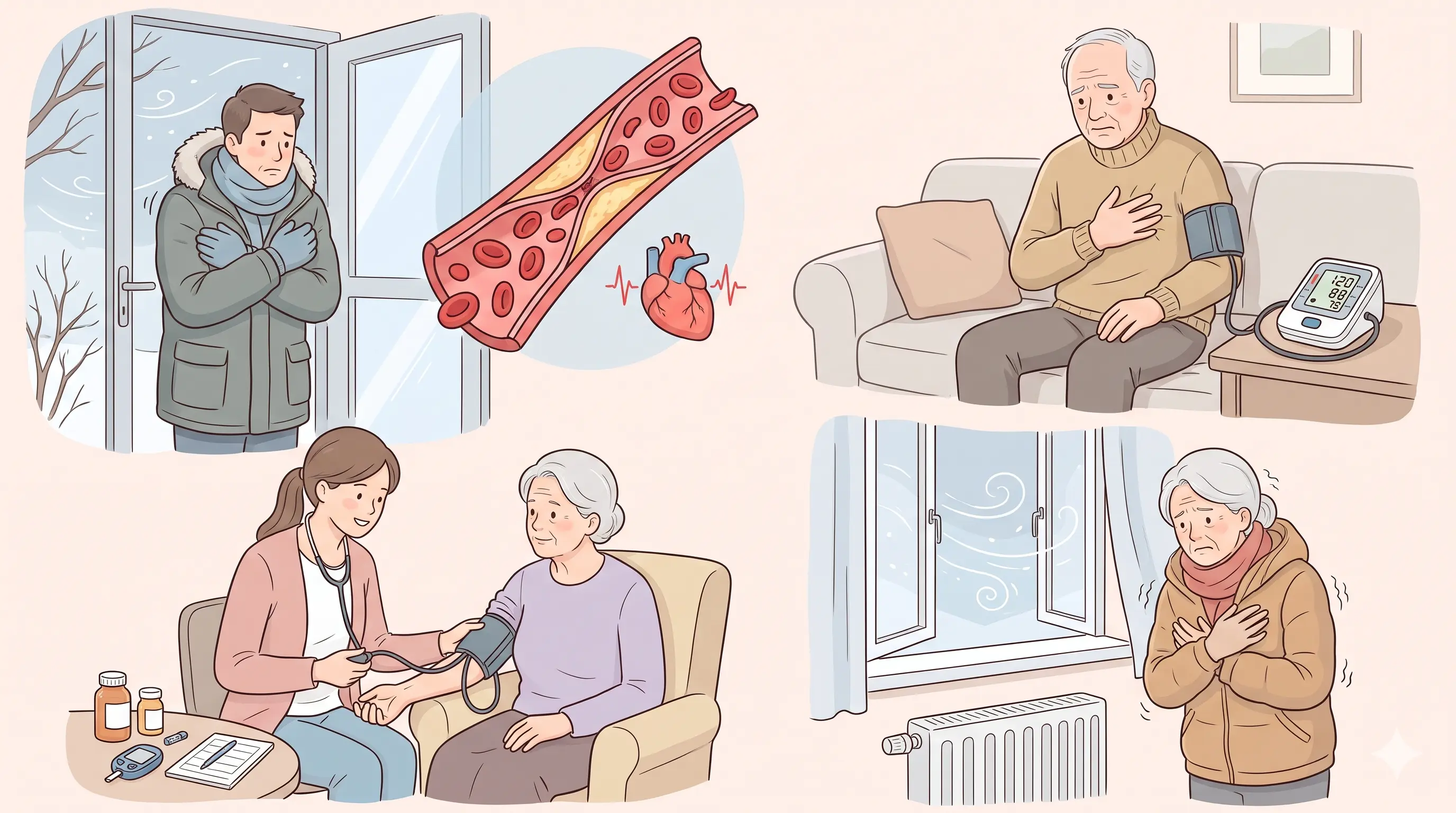
Cold temperatures can cause blood vessels to narrow, increasing blood pressure and
placing
additional strain on the heart.
People with hypertension, diabetes , or
cardiovascular
disease may require closer
monitoring.
Cold weather may also affect existing conditions:
- Heart disease: Cold exposure can increase cardiovascular stress, particularly in
vulnerable
individuals.
- Asthma: Cold air may trigger coughing, wheezing, or breathlessness.
- Arthritis: Joint discomfort may increase in some people.
- Diabetes: Changes in physical activity, eating habits, or illness may affect blood
sugar
control.
Continue prescribed medicines and monitor your health as
advised.
A General Physician can review chronic conditions and help adjust care when medically
necessary.
Who Is More Vulnerable to Winter Illnesses?
Although anyone can develop seasonal illnesses, some people face a greater risk of
complications.
- Children :
Young children are more vulnerable to certain respiratory infections. Parents should
monitor persistent fever, reduced feeding, unusual tiredness, and breathing
difficulties.
- Older Adults :
Older adults may have reduced tolerance to cold temperatures and existing conditions that
increase health risks.
- People With Chronic Diseases :
Individuals with asthma, COPD, diabetes,
heart disease
, or weakened immunity may
experience more serious complications from respiratory infections.
If you have an existing medical condition, a General
Physician in Mumbai can
assess your
symptoms and suggest appropriate preventive care.
How Can You Prevent Common Winter Health Problems?
Simple daily habits can help reduce illness risks and support your health during colder months.
- Maintain hand hygiene: Wash your hands regularly with soap and water.
- Improve ventilation: Allow fresh air indoors whenever practical.
- Stay hydrated: Drink water throughout the day, even when you feel less thirsty.
- Eat balanced meals: Include fruits, vegetables, whole grains, and protein-rich foods.
- Stay physically active: Choose walking, stretching, or indoor exercises.
- Protect your skin: Use moisturiser and avoid very hot showers.
- Follow vaccination advice: Discuss recommended influenza and other vaccinations with your
doctor.
- Avoid spreading infections: Stay home when sick and follow appropriate respiratory
precautions.
These winter health tips can help you lower the risk of respiratory infections and manage
seasonal discomfort.
When Should You See a Doctor for Winter Health Problems?
Many mild respiratory infections improve with rest and supportive care. Persistent or worsening
symptoms may require medical evaluation.
Consult a doctor if you experience:
- Fever that persists or returns
- Worsening cough or repeated infections
- Difficulty managing an existing illness
- Poor fluid intake or persistent weakness
- Joint swelling or significant discomfort
Seek emergency medical care for severe breathing difficulty, persistent chest pain, sudden
confusion, or signs of stroke.
A General Physician in Mumbai can assess symptoms, recommend suitable investigations, and guide
treatment.
Consult a General Physician at Bombay Hospital, Mumbai
If you experience persistent fever, recurring infections, breathing concerns, or other winter
health problems, consult a General Physician in Mumbai at Bombay
Hospital & Medical Research
Centre. The General Medicine
& Infectious Disease Department provides outpatient
consultations, diagnostic evaluation, and treatment for infections and chronic medical
conditions. A General Medicine Specialist can assess your health concerns, recommend appropriate
treatment, and coordinate specialist care when required.
Frequently Asked Questions
Early symptoms may include sneezing, sore throat, cough,
fever, body aches, and tiredness. Symptoms vary depending on the infection or
underlying medical condition.
A cold often develops gradually and causes nasal symptoms.
Flu usually starts suddenly and may cause fever, severe body aches, and fatigue.
Dry air, postnasal drip, asthma, and respiratory infections
can contribute to nighttime coughing. Persistent symptoms should be medically
evaluated.
Yes. Cold air can trigger asthma symptoms, while low
temperatures may narrow blood vessels and increase blood pressure.
Consult a General Medicine Specialist for recurring
infections, prolonged symptoms, or worsening chronic conditions. Early evaluation
may help identify complications and guide treatment.
Conclusion
Understanding common winter health problems can help you recognise symptoms and take preventive
measures. Maintaining hygiene, staying active, eating balanced meals, and managing chronic
conditions can reduce health risks. If symptoms persist or worsen, consult a General Physician in Mumbai
at Bombay Hospital for appropriate evaluation and care. Taking timely action can help
you and your family stay healthier throughout winter.