In the modern digital age, screens are an integral part of daily life. Whether it’s checking emails,
scrolling through social media, or binge-watching the latest series, we’re all guilty of using screens
late into the night. But what if we told you that your screen habits could be affecting not only your
sleep but your overall health as well? As experts at Bombay Hospital,
Mumbai, emphasize, understanding how late-night screen exposure disrupts your well-being is
crucial. In this blog, we’ll explore the science behind it and provide actionable steps to improve your
sleep hygiene, ensuring better health and well-being.
The Effect of Blue Light on Your Sleep Cycle
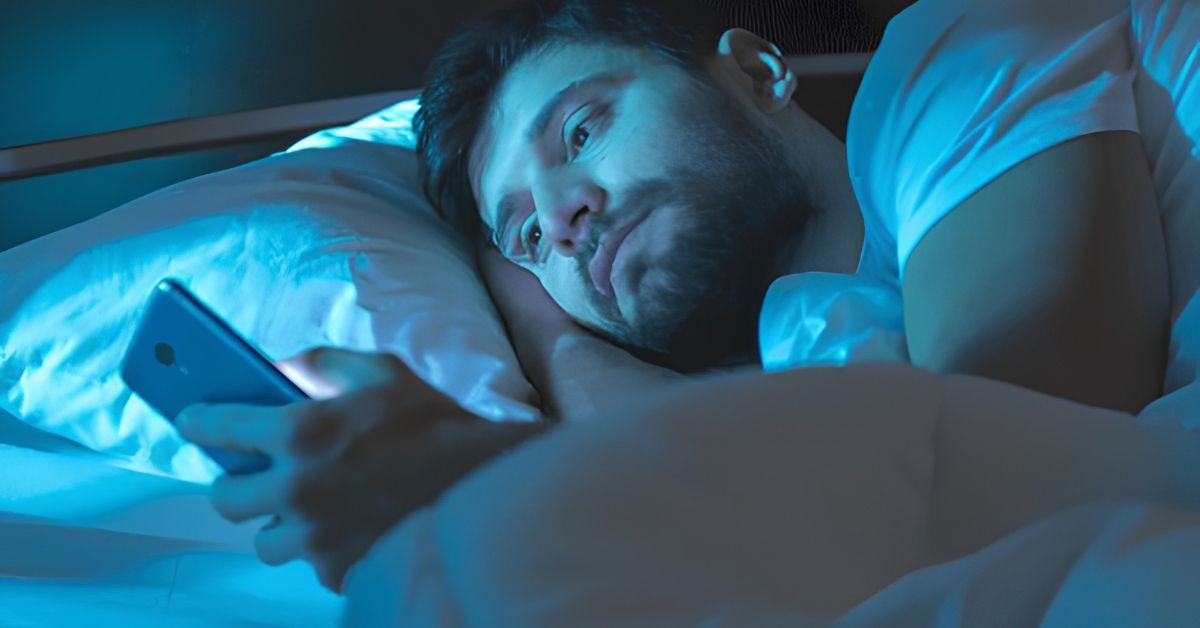
One of the most significant ways late-night screen time disrupts your health is through
blue
light exposure. Blue light, emitted by smartphones, tablets, laptops, and even LED
lighting,
interferes with your circadian rhythm, which is your body's natural sleep-wake cycle.
Normally,
your brain produces melatonin, a hormone that makes you feel sleepy when it’s dark.
However,
blue light suppresses melatonin production, making it harder for you to fall asleep.
If you've ever found yourself scrolling through your phone until the early hours,
chances are
that blue light was keeping you awake longer than you intended. Not only does this delay
sleep
onset, but it also decreases the quality of sleep, leaving you feeling groggy the next
day.
Actionable Tip: Consider using blue light filters on your devices or wearing
blue light-blocking glasses to reduce the impact. Many devices also have a night mode feature
that reduces blue light exposure in the evening. For those seeking professional advice on
managing sleep disturbances and the effects of screen exposure, ENT specialists at Bombay
Hospital, Mumbai can help guide you towards effective solutions.
Cognitive and Mental Health Effects of Sleep Disruption
The effects of blue light and late-night screen exposure go beyond just sleep problems; they
also affect cognitive function and mental health. When your sleep cycle is disrupted, your brain
doesn't have the chance to repair and reset. This leads to impaired memory, reduced
concentration, and difficulty focusing the next day.
Mental health issues like stress, anxiety, and even depression are often linked to chronic sleep
deprivation. Not only does lack of sleep affect your mood, but it also contributes to emotional
instability, making it harder to handle everyday challenges.
Physical Health Concerns Due to Screen Time
It’s not just your mind that suffers from late-night screen use. Your physical health can take a
toll as well. One common complaint from individuals who spend long hours in front of screens is
digital eye strain. This condition, also known as computer vision syndrome, leads to symptoms
like dry eyes, headaches, and neck or shoulder pain.
Furthermore, the connection between sleep disruption and physical health cannot be ignored. When
you don’t get enough quality sleep, your metabolism is affected, making it easier to gain
weight. Poor sleep has also been linked to higher risk of cardiovascular diseases and a weakened
immune system. The long-term effects of disrupted sleep patterns may include chronic health
conditions that are harder to treat.
How Late-Night Screen Time Affects Your Sleep Cycle
When you’re on your devices late at night, you’re essentially sending mixed signals to your
body. The bright, blue-toned light tricks your brain into thinking it’s still day, delaying your
sleep. This misalignment between your circadian rhythm and your natural sleep-wake patterns
reduces the quality of your rest. This leads to shorter sleep duration, more frequent
awakenings, and less time spent in deep, restorative sleep.
In the morning, you may find yourself struggling to get out of bed, and by midday, you’re
feeling fatigued and lacking energy. Chronic sleep disruption caused by late-night screen
exposure can lead to long-term health problems, including impaired immune function, decreased
productivity, and increased stress levels.
Solutions to Improve Sleep Hygiene and Reduce Screen Exposure
Now that you understand the negative effects of late-night screen exposure, here are some
practical tips to improve your sleep hygiene and overall health:
- Set a Screen Curfew: Try to avoid screens
at least one hour before bed. Use this time to wind down with calming activities like
reading a book, taking a warm bath, or practicing relaxation techniques.
- Use Blue Light Filters: Most devices
today come with blue light filters or “night mode” settings. Make sure you activate these
features, especially during evening hours, to limit blue light exposure.
- Create a Tech-Free Bedroom: Keep your
bedroom free of screens to create an environment conducive to sleep. Consider charging your
phone outside the bedroom to eliminate the temptation to check it right before bed.
- Take Regular Screen Breaks: If you're
working on a computer or phone for extended periods, practice the 20-20-20 rule: every 20
minutes, take a 20-second break and look at something 20 feet away to reduce eye strain.
- Optimize Your Sleep Environment: Make
your bedroom a relaxing retreat by keeping it cool, dark, and quiet. Invest in comfortable
bedding and a good-quality mattress that promotes restful sleep.
Consultation for Sleep Disorders and Screen-Related Issues
Bombay Hospital has a reputation for providing high-quality
care in a compassionate environment.
Whether you’re struggling with sleep disorders, mental health concerns, or physical health
issues caused by screen exposure, Bombay Hospital’s team of specialists is ready to help. To
book an
appointment or get more information, visit the
website.
Frequently Asked Questions
Blue light exposure at night suppresses melatonin production, making it harder for you
to fall asleep and stay asleep.
Yes, blue light-blocking glasses can reduce the amount of blue light entering your eyes
and may help improve your sleep quality, especially when used in the evening.
It’s best to avoid screens for at least one hour before bed. If you must use screens,
enable night mode or use a blue light filter.
Common symptoms include headaches, blurry vision, dry eyes, and neck or shoulder pain.
Regular screen breaks can help alleviate these symptoms.
To improve sleep hygiene, establish a regular sleep schedule, limit screen exposure
before bed, and create a relaxing bedtime routine.
Conclusion
Late-night screen exposure is a major disruptor of both sleep and overall health. The blue light
emitted from screens affects your circadian rhythm, cognitive function, and physical health. By
making simple adjustments such as limiting screen time before bed, using blue light filters, and
creating a better sleep environment, you can greatly improve your sleep and well-being. If you
continue to struggle with sleep issues or related health concerns, seeking professional advice from
a specialist at Bombay Hospital could provide the guidance and support you need to regain control of
your health and sleep patterns.