Understanding Signs of Kidney Health
Many people assume kidney disease develops suddenly. In reality, the condition often progresses
slowly, and the body starts showing warning signs long before a kidney transplant becomes
necessary. Symptoms such as fatigue, swelling, changes in urination, and uncontrolled blood
pressure may indicate that the kidneys are no longer functioning properly.
Early diagnosis is one of the most important goals in Urology because timely treatment can
delay
kidney damage and improve long-term outcomes. Patients experiencing these symptoms often seek
guidance from the best urologist in
Mumbai or visit
reputed healthcare institutions such as
Bombay Hospital Mumbai for expert evaluation. Understanding
the signs that may lead to a kidney
transplant can help you make informed decisions about your health and seek treatment before
complications become severe.
When Does a Person Need a Kidney Transplant?
A kidney transplant is usually recommended when chronic kidney disease progresses to end-stage
kidney disease. At this stage, the kidneys lose most of their ability to filter waste, regulate
fluid balance, and maintain healthy electrolyte levels.
Doctors generally consider transplantation when kidney function falls below 15 percent. While
dialysis can help replace some kidney functions, a transplant often offers better quality of
life and improved long-term health outcomes. Consulting a qualified urology doctor Mumbai can help determine
whether transplantation may become part of your treatment plan. Many patients seek a second
opinion from a top urologist in Mumbai to better understand transplant eligibility and long-term
treatment options.
Early Signs That May Indicate the Need for a Kidney Transplant
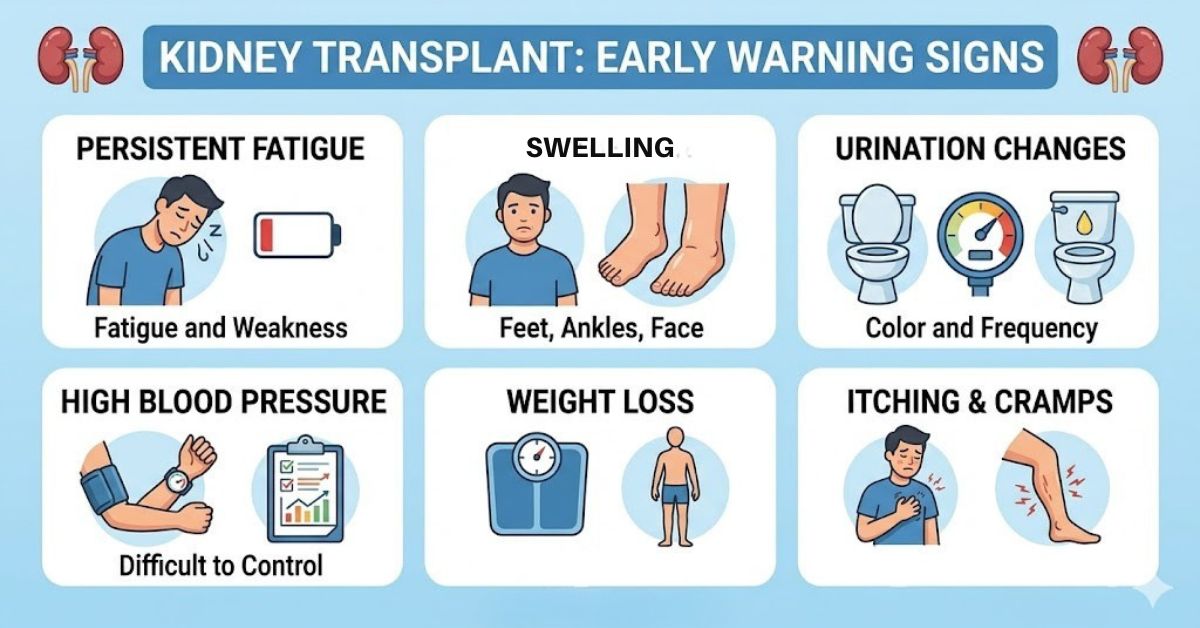
Persistent Fatigue and Weakness
One of the most common signs of advanced kidney disease is ongoing fatigue. When waste products
accumulate in the bloodstream, the body struggles to function efficiently.
You may experience:
- Constant tiredness
- Difficulty concentrating
- Reduced physical stamina
- Lack of energy despite adequate sleep
Many patients initially dismiss these symptoms as stress or aging before a urologist
Mumbai
identifies underlying kidney dysfunction.
Swelling in the Feet, Ankles, and Face
Healthy kidneys remove excess fluid from the body. When kidney function declines, fluid
retention becomes more noticeable.
Common symptoms include:
- Swollen feet and ankles
- Puffiness around the eyes
- Tight shoes or rings
- Unexplained weight gain from fluid buildup
This symptom often becomes more pronounced as kidney disease advances. Patients searching for a
urologist near me Mumbai frequently report swelling as one of the first noticeable symptoms that
prompts them to seek medical care.
Changes in Urination
Changes in urination are among the earliest indicators of kidney problems.
Watch for:
- Frequent urination at night
- Reduced urine output
- Blood in the urine
- Foamy urine
- Difficulty passing urine
Patients who notice these symptoms often consult a good urologist
Mumbai for further evaluation
and testing.
High Blood Pressure That Is Difficult to Control
The kidneys play an important role in regulating blood pressure. When they become damaged, blood
pressure often rises and becomes harder to manage.
Poorly controlled hypertension can:
- Accelerate kidney damage
- Increase cardiovascular risk
- Affect overall health
Regular monitoring is essential if you have both kidney disease and high blood pressure.
Patients with long-standing hypertension are often advised to consult a urologist surgeon Mumbai
when kidney-related complications become more severe.
Loss of Appetite, Nausea, and Weight Loss
As kidney function declines, toxins accumulate in the bloodstream and affect digestion.
Common symptoms include:
- Reduced appetite
- Nausea
- Vomiting
- Metallic taste in the mouth
- Unintentional weight loss
Many patients report these symptoms months before they are evaluated for transplant eligibility.
Persistent Itching and Muscle Cramps
Advanced kidney disease can affect mineral balance in the body.
This may result in:
- Chronic itching
- Muscle cramps
- Restless sleep
- General discomfort
Although often overlooked, these symptoms can indicate worsening kidney function.
How Do Doctors Evaluate a Patient for Kidney Transplantation?
Not every patient with kidney disease requires a transplant. Doctors perform a detailed
assessment to determine whether transplantation is the right option.
Blood and Kidney Function Tests
Blood tests help measure kidney performance, identify complications, and assess overall health.
Imaging Studies
Ultrasound and CT scans provide detailed information about kidney structure and surrounding
organs.
Cardiac and Respiratory Assessment
Since transplant surgery is a major procedure, doctors evaluate heart and lung health before
proceeding.
Donor Compatibility Testing
Blood group matching and tissue compatibility testing help reduce the risk of organ rejection.
Many patients choose a best urology hospital in Mumbai and consult a top 10 urologist in Mumbai
because these centers offer comprehensive transplant evaluation under one roof.
How Recovery Happens After a Kidney Transplant
Immediate Recovery After Surgery
Following surgery, patients remain under close observation while doctors monitor the function of
the transplanted kidney.
During this period, healthcare teams assess:
- Urine output
- Kidney function
- Blood pressure
- Signs of infection
- Medication response
Many transplanted kidneys begin functioning shortly after surgery. Recovery outcomes are often
improved when treatment is provided through experienced urology Mumbai transplant programs with
top 5 urologists in Mumbai.
Recovery During the First Few Weeks
Most patients gradually return to normal activities over the following weeks.
The recovery process typically includes:
- Walking within a few days
- Light daily activities within two to four weeks
- Regular follow-up appointments
- Adjustment of medications
Recovery speed varies depending on age, overall health, and adherence to medical advice.
Patients looking for ongoing transplant support often search for the top 3 urologist Mumbai to
ensure long-term continuity of care.
Lifelong Medication Management
Transplant recipients must take immunosuppressive medications to prevent organ rejection.
These medicines help:
- Protect the transplanted kidney
- Reduce rejection risk
- Support long-term transplant success
Consistent medication use is one of the most important factors affecting transplant outcomes.
Diet and Lifestyle Changes
A healthy lifestyle plays an important role in recovery.
Doctors may recommend:
- Reduced salt intake
- Proper hydration
- Balanced nutrition
- Regular physical activity
- Weight management
Several centers specializing in urology Mumbai offer nutritional counseling and recovery support
for transplant recipients.
Choosing the Right Specialist for Kidney Care
Selecting the right medical team is an important part of the treatment journey. Patients often
compare specialists based on experience, transplant expertise, and patient outcomes.
An experienced urologist surgeon in Mumbai works
closely with nephrologists, transplant
coordinators, and rehabilitation specialists to provide complete care before and after
transplantation. When evaluating treatment facilities, patients often compare the best hospital
for urology Mumbai with other specialty centers to determine which institution offers the
strongest transplant support system.