Introduction
Sleep is not just rest. It directly supports heart function, blood pressure control, and overall
circulation. When sleep stays disturbed for weeks or months, your heart works under constant
pressure. This raises the risk of long-term cardiovascular problems.
Many people ignore sleep issues until symptoms affect daily life. Poor sleep can slowly
contribute to hypertension, irregular heartbeat, and blocked arteries.
Understanding this
connection helps you take early action.
This blog explains how sleep affects heart health, warning signs you should not ignore,
prevention strategies, and when you should consult a
cardiologist
near me Mumbai for proper
evaluation. It also helps you understand when treatment in a cardiology hospital Mumbai becomes
necessary.
How Poor Sleep Affects the Heart
Your heart follows a daily rhythm controlled by the nervous system. During deep sleep,
heart
rate slows and blood pressure drops. This period allows recovery of blood vessels and
stabilizes
cardiovascular function.
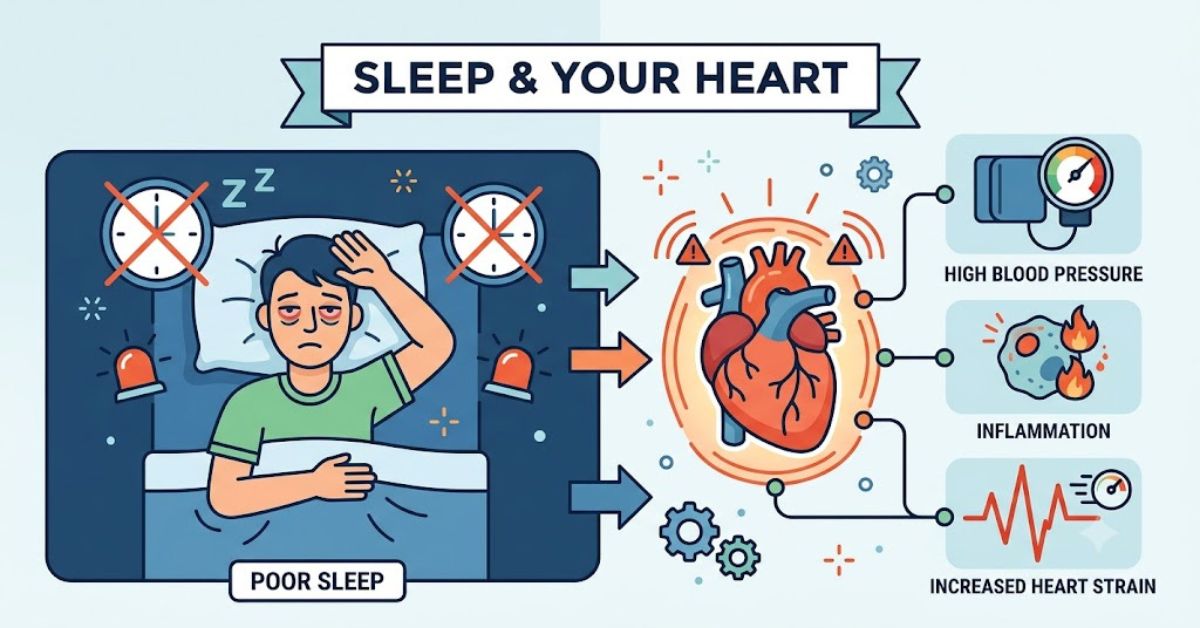
When sleep is reduced or frequently interrupted, this recovery phase is disrupted.
Stress
hormones like cortisol remain elevated, keeping heart rate and blood pressure higher than normal
even at rest. Over time, this creates continuous strain on arteries.
If this condition continues for months, it may lead to:
- Persistent hypertension
- Increased heart workload
- Irregular heart rhythm
- Early arterial stiffness
This is why doctors in cardiology
always ask about sleep patterns while assessing heart risk.
Sleep Deprivation and Heart Disease Progression
Sleep-related heart risk does not develop in one stage. It progresses gradually.
- Stage 1: Occasional poor sleep - You may feel tired, but heart function
remains stable.
- Stage 2: Chronic sleep disturbance - Blood pressure begins to fluctuate.
Stress levels increase.
- Stage 3: Sleep apnea or long-term insomnia - Oxygen levels drop during
sleep in sleep apnea. This forces the heart to compensate repeatedly during the night.
- Stage 4: Cardiovascular impact - Increased risk of hypertension,
arrhythmia, and coronary artery disease becomes measurable.
At this stage, many patients first visit a heart specialist in
Mumbai after symptoms begin
affecting daily activity.
Warning Signs You Should Not Ignore
Your body often signals early when sleep is affecting heart function. These signs should not be
ignored:
- Chest tightness or pressure after waking up
- Heart palpitations during night or rest
- Shortness of breath while lying flat
- Morning headaches with fatigue
- Sudden waking with choking or gasping sensation
- High blood pressure readings in the morning
These symptoms often lead patients to consult a top 10
cardiologist Mumbai or a best
cardiologist in Mumbai for evaluation. If these signs appear regularly, it is not just a sleep
issue. It requires proper cardiac and sleep assessment.
Lifestyle Factors That Increase Risk
Several daily habits worsen both sleep quality and heart health. Irregular work schedules, high
screen time at night, and stress disrupt normal sleep cycles.
Obesity, diabetes, and high blood pressure increase strain on the heart during sleep. Smoking
and alcohol further disturb oxygen levels and heart rhythm. Some patients only discover serious
artery blockages after experiencing symptoms that require discussion about heart stent price
during treatment planning.
When multiple risk factors combine, consulting a heart
specialist in Mumbai becomes important
for prevention and early management.
How Doctors Evaluate the Condition
Diagnosis depends on both heart and sleep evaluation.
A specialist in cardiology may
recommend:
- ECG to check rhythm abnormalities
- Echocardiography to assess heart function
- Blood pressure monitoring over 24 hours
- Stress test if chest symptoms are present
If sleep apnea is suspected, a sleep study (polysomnography) may be advised. This test checks
oxygen levels, breathing pauses, and sleep quality.
In advanced cases, patients are referred to a cardiology
hospital Mumbai for combined cardiac
and respiratory evaluation.
Prevention Through Better Sleep Habits
Improving sleep quality can significantly reduce heart risk. A consistent sleep schedule helps
regulate heart rhythm and blood pressure. Avoid digital screens before bedtime, as blue light
delays melatonin release. Keep your sleep environment quiet and dark to support deep rest.
Daily walking or light exercise improves circulation and reduces stress on the heart. Reducing
caffeine intake in the evening also improves sleep depth. Patients already under cardiology care
are often advised to follow structured sleep routines along with medication to improve long-term
outcomes.