Why Do Some People Have Heart Attacks Without Warning? Understanding Silent Cardiac Risks

Introduction

Many people believe a heart attack always causes severe chest pain, sweating, or sudden collapse. The reality is that some heart attacks can occur with mild or unnoticed symptoms. These are known as silent heart attacks and can sometimes be discovered only during routine cardiac tests. Understanding silent cardiac risks, recognizing hidden symptoms, and getting timely evaluation can help protect your heart health.

What Is a Silent Heart Attack?

A silent heart attack occurs when blood flow to a part of the heart muscle becomes blocked, causing damage, but the person does not experience typical warning signs.

Unlike a major heart attack with intense chest pain, silent heart attacks may cause symptoms that feel unrelated, such as:

  • Unusual tiredness
  • Mild chest discomfort
  • Shortness of breath
  • Dizziness
  • Discomfort in the jaw, back, or arms
  • Indigestion-like feelings

Because these symptoms may appear mild, many people delay medical attention. This delay can increase the risk of complications and long-term heart damage.

Why Do Some Heart Attacks Happen Without Warning?

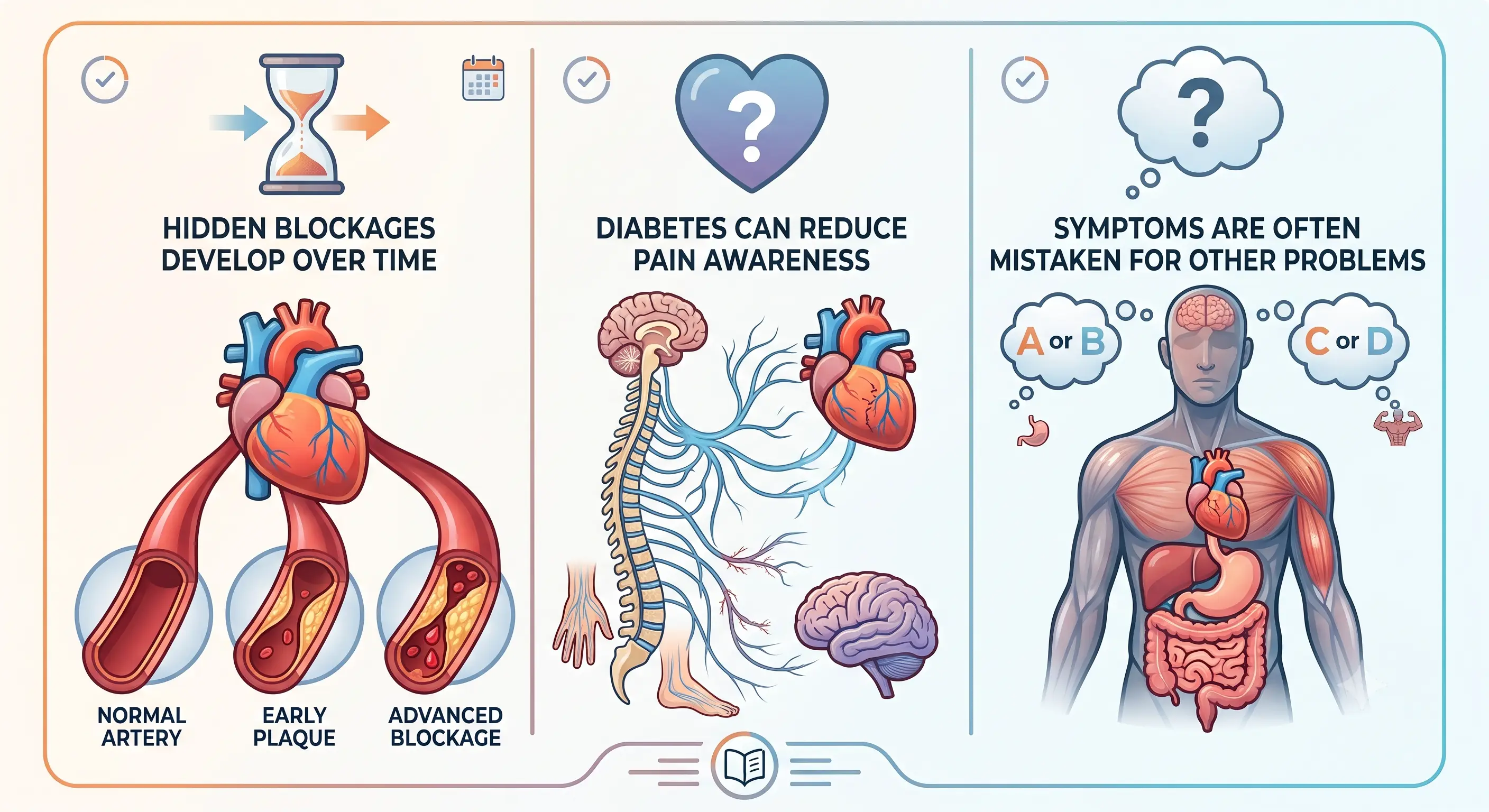
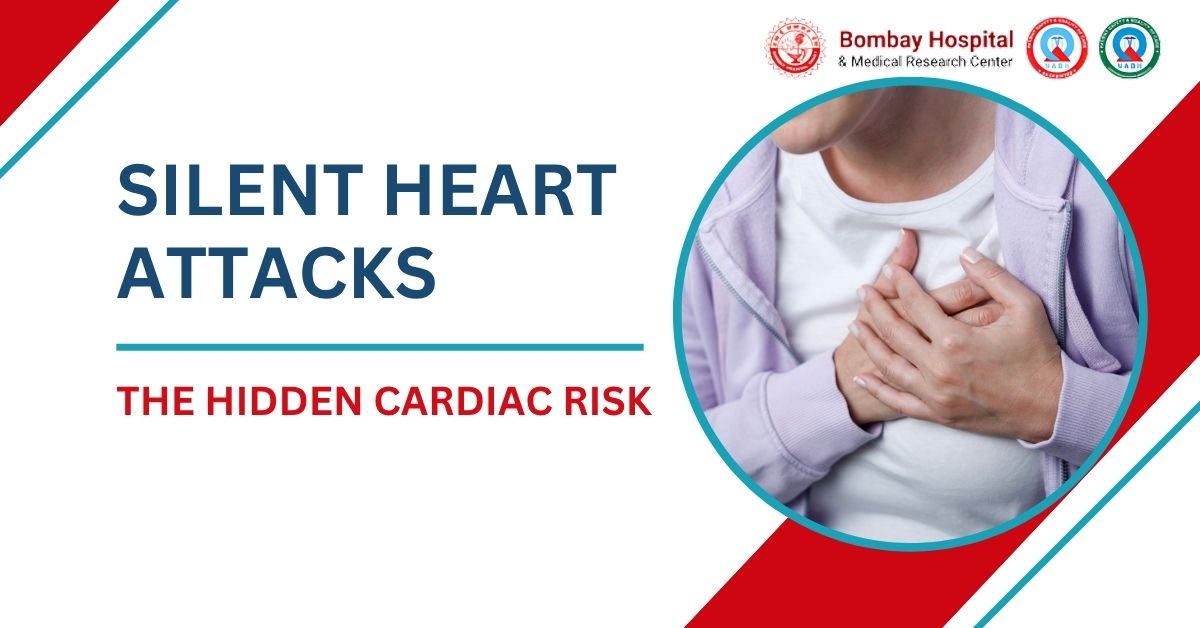
Silent heart attack symptoms and hidden cardiac risks explained by cardiologist mumbai

1. Hidden Blockages Develop Over Time

Heart artery blockages usually develop slowly due to plaque buildup. A person may feel completely normal while cholesterol deposits gradually narrow the arteries.

When a plaque breaks suddenly, a blood clot can form and restrict blood supply to the heart muscle. This can result in a heart attack even when there were no clear warning signs before.

Regular evaluation with a cardiologist in Mumbai can help identify risk factors before they become serious concerns.

2. Diabetes Can Reduce Pain Awareness

People with diabetes have a higher risk of silent heart attacks. Long-term high blood sugar levels can damage nerves that carry pain signals.

Because of this nerve damage, some diabetic patients may not feel typical chest pain during a heart attack. This is why diabetes management and regular heart screening are important parts of preventive cardiology care.

3. Symptoms Are Often Mistaken for Other Problems

Many people ignore symptoms like fatigue, breathing difficulty, or mild discomfort because they believe it is due to stress, acidity, lack of sleep, or aging.

If these symptoms appear repeatedly or become unusual for you, they should not be ignored. A proper heart evaluation can help identify whether they are linked to an underlying cardiac condition.

Who Is at Higher Risk of Silent Cardiac Problems?

Silent heart attacks can affect different age groups, but certain factors increase the chances of developing heart disease.

  • People With Diabetes
    Diabetes affects blood vessels and increases the risk of artery damage. People with diabetes should regularly monitor blood sugar levels and discuss heart screening with their doctor.
  • People With High Blood Pressure
    Uncontrolled blood pressure forces the heart to work harder and can damage artery walls over time. Regular blood pressure monitoring helps reduce cardiovascular risks.
  • People With High Cholesterol
    High LDL cholesterol can contribute to plaque formation inside arteries. A lipid profile test helps understand cholesterol-related heart risks.
  • Smokers
    Smoking reduces oxygen supply, damages blood vessels, and increases the possibility of artery blockage.
  • People With Family History of Heart Disease
    If close family members have experienced heart problems, you may need earlier and more regular heart assessments.

Can You Have Heart Disease Even If You Feel Healthy?

Yes. Some people discover heart problems during routine health checks despite having no major symptoms.

Preventive cardiac evaluation focuses on identifying risks before an emergency occurs. A doctor may recommend tests based on your age, lifestyle, medical history, and existing conditions.

A trusted cardiology hospital Mumbai provides access to diagnostic facilities that help doctors evaluate heart health through different tests.

How Do Doctors Detect Hidden Heart Risks?

A heart evaluation may include different tests depending on your symptoms and risk profile.

  • ECG Test
    An electrocardiogram records the electrical activity of the heart. It can help identify abnormal heart rhythms and signs of previous heart damage.
  • Echocardiography
    An echocardiogram uses ultrasound technology to check heart structure, pumping ability, and movement of heart muscles.
  • Stress Test
    A stress test helps doctors understand how your heart responds during physical activity and may identify problems with blood supply.
  • Blood Tests
    Blood tests help evaluate cholesterol levels, blood sugar control, and other factors linked with heart health.
  • Advanced Cardiac Imaging
    In some cases, doctors may recommend advanced imaging tests to assess artery health and identify blockages.

Choosing a reliable heart hospital in Mumbai for regular evaluation can help you receive timely diagnosis and appropriate treatment guidance.

How Can You Lower Your Risk of a Silent Heart Attack?

Small but consistent lifestyle changes can support better heart health.

  • Maintain Healthy Blood Pressure
    Check your blood pressure regularly and follow medical advice regarding medication, diet, and activity levels.
  • Choose Heart-Friendly Foods
    Include vegetables, fruits, whole grains, lean proteins, and healthy fats in your diet. Limit excess salt, processed foods, and unhealthy fats.
  • Stay Physically Active
    Regular walking, exercise, and daily movement improve heart strength and support healthy weight management.
  • Manage Stress and Sleep
    Poor sleep and ongoing stress can affect blood pressure and heart health. Maintain healthy sleep habits and use effective stress management techniques.
  • Avoid Tobacco
    Stopping smoking and tobacco use significantly reduces the risk of heart-related complications.

When Should You Consult a Cardiologist?

You should consider a heart evaluation if you experience:

  • Repeated breathlessness
  • Unexplained fatigue
  • Chest discomfort
  • Dizziness
  • Reduced ability to perform daily activities

People with diabetes, high blood pressure, high cholesterol, or a family history of heart disease should consider regular cardiac assessments even if they feel healthy.

Consulting a cardiologist in Mumbai can help you understand your personal risk factors and create a suitable prevention plan based on your health needs. If you have risk factors or concerns about your heart, consult an experienced heart specialist in Mumbai for personalised advice and appropriate cardiac care. Early awareness and timely action can make a significant difference in protecting your heart.

FAQs

Yes. Some heart attacks may occur without typical chest pain. Symptoms like fatigue, breathlessness, dizziness, or mild discomfort can sometimes be the only warning signs.

A silent heart attack may be detected through tests such as ECG, echocardiography, or other cardiac evaluations. Some people discover previous heart damage during routine checkups.

Yes. Diabetes can increase the risk of silent heart attacks because it may affect nerve function and blood vessels.

Regular checkups help identify risk factors early. They allow doctors to recommend lifestyle changes, medications, or further evaluation when needed.

You should consult a heart hospital in Mumbai if you have heart-related symptoms, multiple risk factors, or want a preventive heart assessment.

Conclusion

Silent heart attacks can occur without obvious symptoms, making awareness and preventive care extremely important. Understanding your risk factors, maintaining a healthy lifestyle, and undergoing regular heart evaluations can help reduce future complications. Whether you have existing health conditions or simply want to understand your heart health better, seeking guidance from a qualified cardiologist Mumbai can help you take the right steps toward long-term cardiac wellness.

Send us a message

Have any questions? We are ready to help.

List of Consultants

Satyavan Sharma

Dr. Satyavan Sharma

MD, D.M (Cardiology), MNAMS

Cardiologist

Anil Sharma

Dr. Anil Sharma

MD, DM (Card.), FACC (USA)

Cardiologist

Nagesh Waghmare

Dr. Nagesh Waghmare

Dm - Cardiology, Dnb - General Medicine, Associate Fesc Interventional Cardiologist

Cardiologist

A.C. Pereira

Dr. A.C. Pereira

MBBS, MD - General Medicine, DM - Cardiology

Cardiologist

E.D. Borges

Dr. E.D. Borges

MBBS, MD - General Medicine, DM - Cardiology

Cardiologist

K.H. Ayyer

Dr. K.H. Ayyer

M.D (Gen. Medicine), DM (Cardiology)

Cardiologist

B.C. Kalmath

Dr. B.C. Kalmath

MD - Medicine, DM - Cardiology Interventional Cardiologist

Cardiologist

Ramesh Kawar

Dr. Ramesh Kawar

MBBS, MD - General Medicine, DM - Cardiology

Cardiologist

Anil Kumar

Dr. Anil Kumar

MBBS, DM (Cardiology)

Cardiologist

Ajay Chaurasia

Dr. Ajay Chaurasia

MBBS, MD, DM

Cardiologist

Book Appointment Book Appointment