Heart Murmur Symptoms & Care at Bombay Hospital, Mumbai

heart murmur symptoms & care at bombay hospital mumbai

Heart Murmurs: When to Take It Seriously

Your heart beats steadily every day. But what if your doctor hears an unusual sound during a routine checkup? This sound might be a heart murmur. Most murmurs are harmless. Some may point to heart problems. If you have concerns, it's always wise to visit the best cardiologist near you for expert evaluation and peace of mind.
Knowing the difference is important. This guide explains what heart murmurs are, why they occur, when to worry, and what steps to take next.

What Is a Heart Murmur?

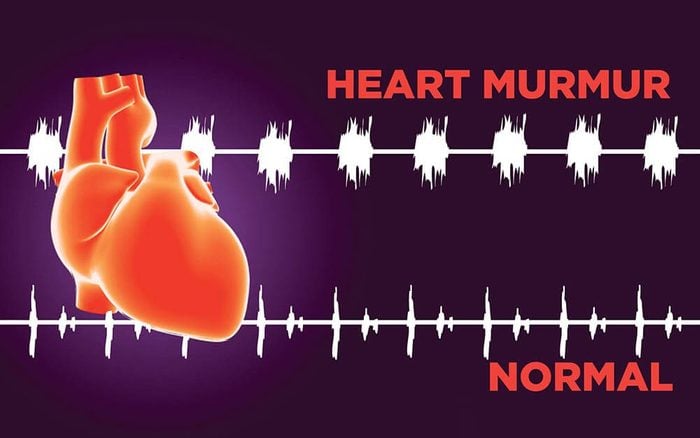
A heart murmur is a sound made by blood flowing through the heart. Doctors hear it through a stethoscope. It often sounds like a whooshing or swishing noise between heartbeats.

Heart murmurs are not a disease. They are signs of what's happening inside your heart.

heart murmur symptoms & care at bombay hospital mumbai

Two Main Types of Heart Murmurs:

  • Innocent (or functional) murmurs: These are harmless and don’t need treatment. Common in children and young adults.
  • Abnormal (or pathologic) murmurs: These may be linked to a heart condition. You may need tests to find the cause.
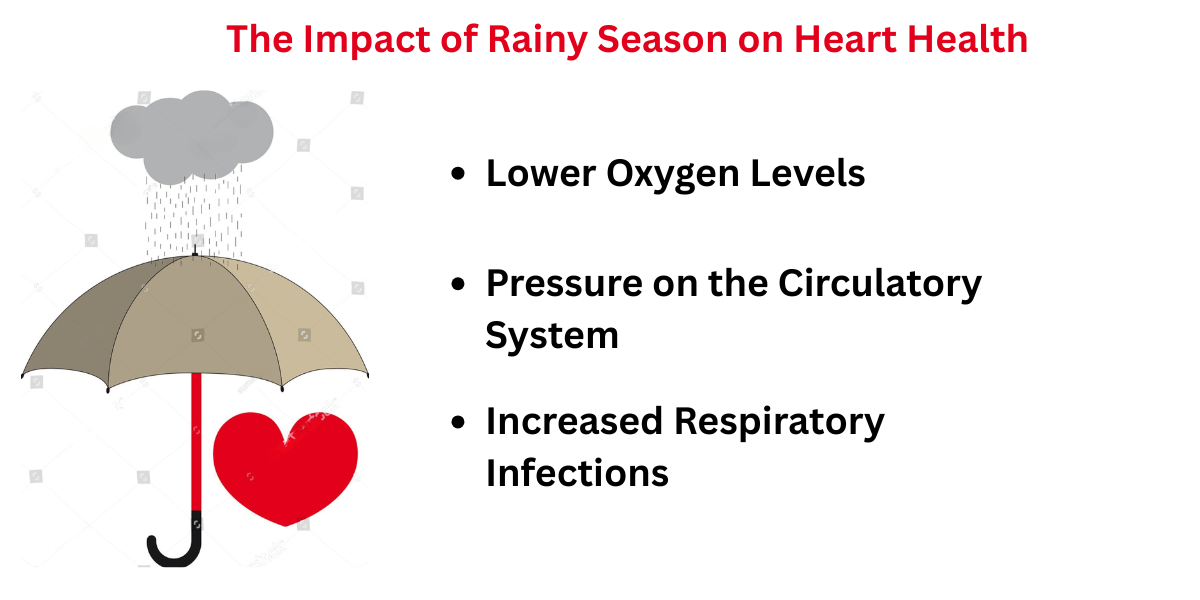
impact of rainy season on heart health
What Causes Heart Murmurs?

Common causes of innocent murmurs:

  • Fever
  • Pregnancy
  • Physical activity
  • Anemia
  • Rapid growth in children

    These factors increase blood flow and create extra sound. The heart is healthy in these cases.

Causes of abnormal murmurs:

  • Valve problems: Narrowing (stenosis) or leakage (regurgitation) of valves
  • Congenital heart defects: Present at birth
  • Heart infection: Endocarditis or rheumatic fever
  • Thickened heart walls: May occur due to long-term high blood pressure
When Should You Be Concerned?

Many murmurs are found by chance and don't need follow-up. But some signs mean you should take them seriously.

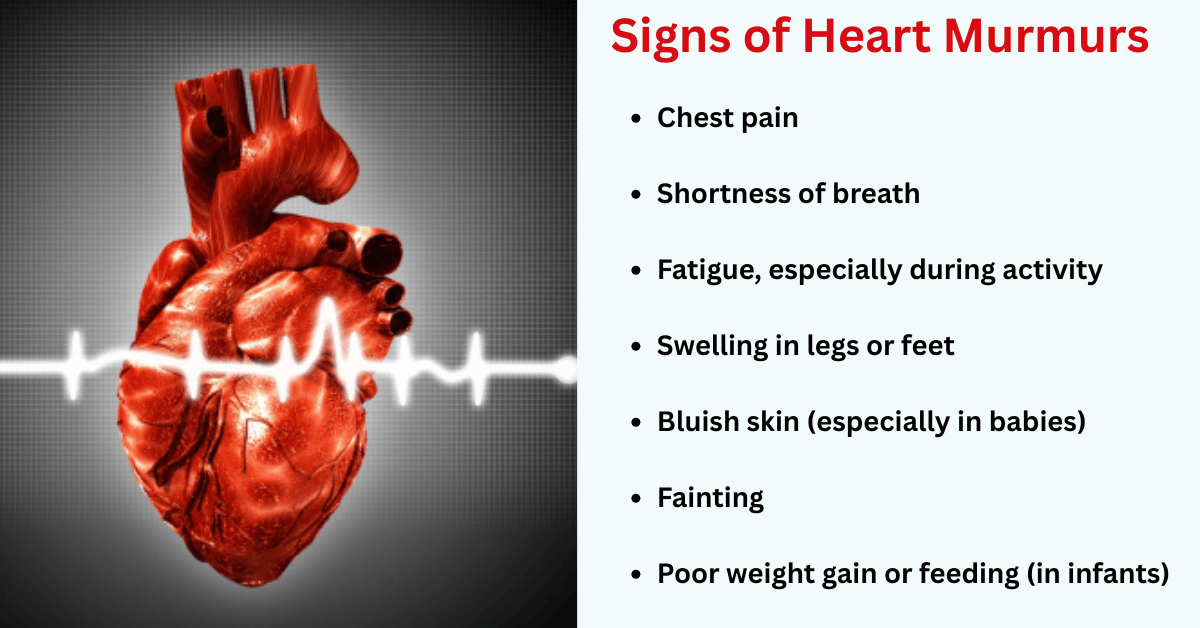
signs of heart murmurs

    Watch for:

  • Chest pain
  • Shortness of breath
  • Fatigue, especially during activity
  • Swelling in legs or feet
  • Bluish skin (especially in babies)
  • Fainting
  • Poor weight gain or feeding (in infants)

If any of these symptoms appear along with a murmur, see a heart specialist. It may signal a structural heart issue.

How Are Heart Murmurs Diagnosed?

    Your doctor starts by listening to your heart. If a murmur is found, they may ask:

    How long have you had symptoms?

    Do you have a history of heart problems?

Next steps may include:

  • Echocardiogram: Uses sound waves to make images of the heart
  • Electrocardiogram (ECG): Checks your heart's rhythm
  • Chest X-ray: Shows heart size and shape
  • Blood tests: Checks for infections or anemia
  • Cardiac MRI or CT scan: For detailed images in complex cases

These tests help understand the cause and decide on treatment.

What Are the Treatment Options?

    Treatment depends on the cause. Innocent murmurs don't need any. You can live a normal life without worry.

For abnormal murmurs:

  • Echocardiogram: Uses sound waves to make images of the heart
  • Medications for blood pressure, infection, or heart rhythm
  • Surgery or procedures to repair or replace heart valves
  • Regular checkups to monitor changes

In children, some congenital heart defects close on their own. Others may need surgery.

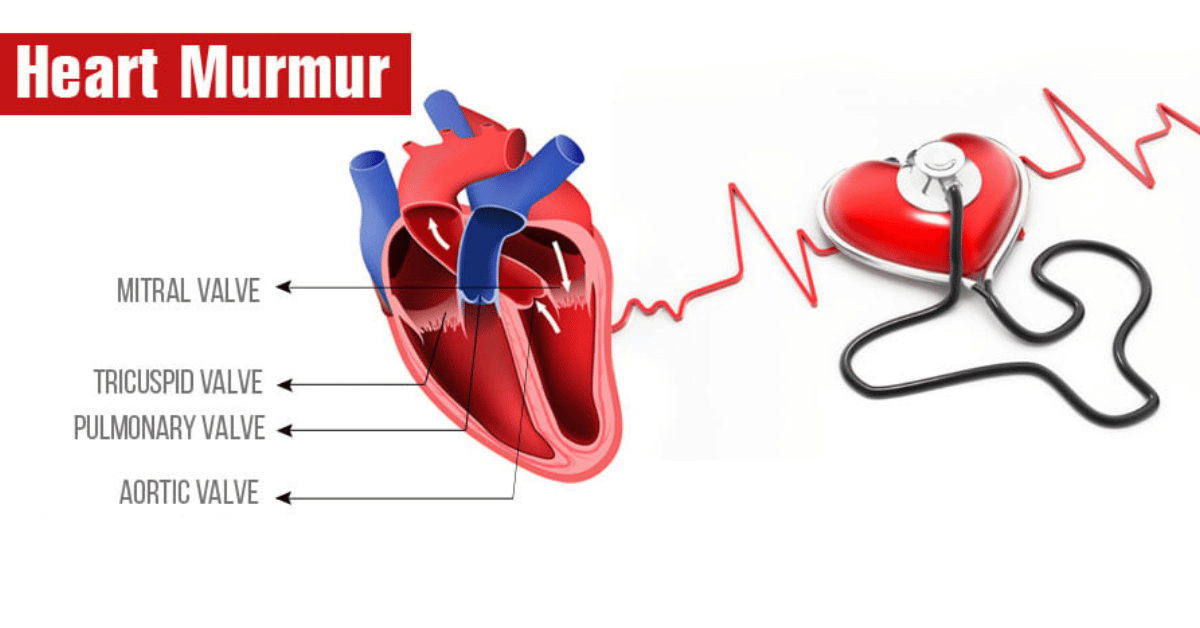
normal heart and heart murmurs
Living with a Heart Murmur

If you've been diagnosed with a heart murmur, regular follow-up is key.

Simple tips:

  • Inform all healthcare providers about your condition
  • Take medicines as prescribed
  • Avoid self-medication or herbal supplements without asking your doctor
  • Maintain a healthy lifestyle — diet, exercise, and sleep

For parents, it's natural to worry if your child has a murmur. But in most cases, there's nothing to fear. Always trust your doctor's advice.

Bombay Hospital and Medical Research Centre is one of India's leading healthcare institutions. Today, it stands as a trusted centre for advanced medical treatment across specialties like Cardiology, Cardiovascular Thoracic Surgery, Endocrinology, Gastroenterology, Nephrology, Neurology, Neurosurgery, Paediatric Surgery, Plastic Surgery, Pulmonary Medicine, Rheumatology, Urology, and Oncology. If you or a loved one is dealing with a heart murmur, expert care is just a call away. Visit Bombay Hospital in Mumbai.

Bombay Hospital
12, Vitthaldas Thackersey Marg, near Liberty Cinema, New Marine Lines,
Marine Lines, Mumbai, Maharashtra 400020.

FAQ

No. Many are harmless and don’t need treatment. Only some murmurs are linked to heart conditions.

Yes. Innocent murmurs in children often go away with age.

Only if you have certain heart valve conditions. Always consult your doctor.

It depends on the cause. Innocent murmurs need no follow-up. Abnormal murmurs require regular monitoring.

They can help manage the underlying cause, like high blood pressure or anemia.

Not always. Some cases are managed with medication. Others may need surgery based on severity.

Yes. Many murmurs are found during routine exams, even if you feel perfectly fine.

Some congenital heart defects are genetic. A detailed family history helps doctors assess risk.
Final Thoughts

A heart murmur is often harmless. But when tied to symptoms or heart conditions, it's worth a closer look.

Early detection can make all the difference. Pay attention to your body. Ask questions. Seek expert care when needed.

Your heart deserves attention—and in the right hands, you can live a full, active life.

Book Appointment Book Appointment