Parkinson’s disease is a neurodegenerative disorder that affects millions worldwide, yet it remains
largely underappreciated in terms of awareness and understanding. With World Parkinson’s Day, observed
every year on April 11th, the focus shifts to shedding light on this condition, its impact on
individuals and families, and the need for better treatment options. If you or a loved one are
experiencing symptoms of Parkinson’s, consulting a Neurologist in Mumbai is
essential
for a proper diagnosis and treatment plan. In this blog, we will explore Parkinson's disease, the
importance of raising awareness, available treatments, and how you can support the cause.
What is Parkinson’s Disease?
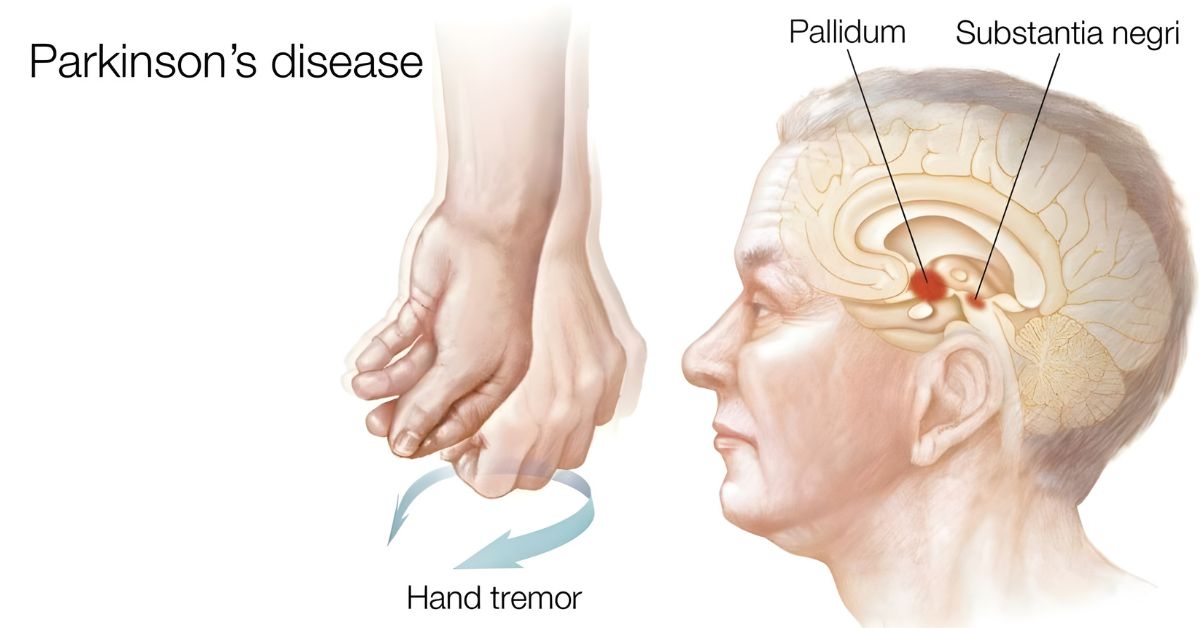
Parkinson’s disease is a progressive neurological disorder that primarily affects
movement control. It occurs when nerve cells in the brain that produce dopamine begin to
die. Dopamine is essential for sending messages to the part of the brain that controls
muscle movement. As dopamine levels decrease, individuals experience symptoms like
tremors, rigidity, slowness of movement, and balance problems. Seeking the expertise of
a Neurologist in
Mumbai can help identify the disease early and
provide a personalized treatment approach.
The condition typically develops in individuals over the age of 60, although
early-onset Parkinson's can occur in younger individuals as well. While the exact cause
of Parkinson’s remains unknown, genetic factors, environmental toxins, and age-related
changes in the brain are thought to contribute.
Symptoms of Parkinson’s Disease
The symptoms of Parkinson’s disease develop gradually and worsen over time. Some of the most
common signs include:
- Tremors – Shaking, often beginning in one hand or finger.
- Bradykinesia – Slowness of movement, making simple tasks take longer.
- Muscle Rigidity – Stiffness in the limbs and torso, leading to pain and
restricted movement.
- Impaired Posture and Balance – Difficulty maintaining balance, leading to
frequent falls.
- Speech Changes – Softening of the voice or difficulty articulating words.
- Writing Changes – Handwriting may become small and difficult to read.
Importance of World Parkinson’s Day
World Parkinson’s Day is a global initiative to raise awareness about Parkinson’s disease, a
condition that affects more than 10 million people worldwide. Observed on April 11th each year,
the day honors the birth of Dr. James Parkinson, the British physician who first described the
disease in 1817. The day serves as an opportunity to:
- Educate the public about the condition and its symptoms.
- Support research into better treatments and a cure.
- Encourage early diagnosis and effective management of the disease.
- Show solidarity with those affected by Parkinson's and their families.
Through greater awareness, we can reduce stigma, improve access to healthcare, and foster a
better understanding of the struggles faced by individuals with Parkinson’s.
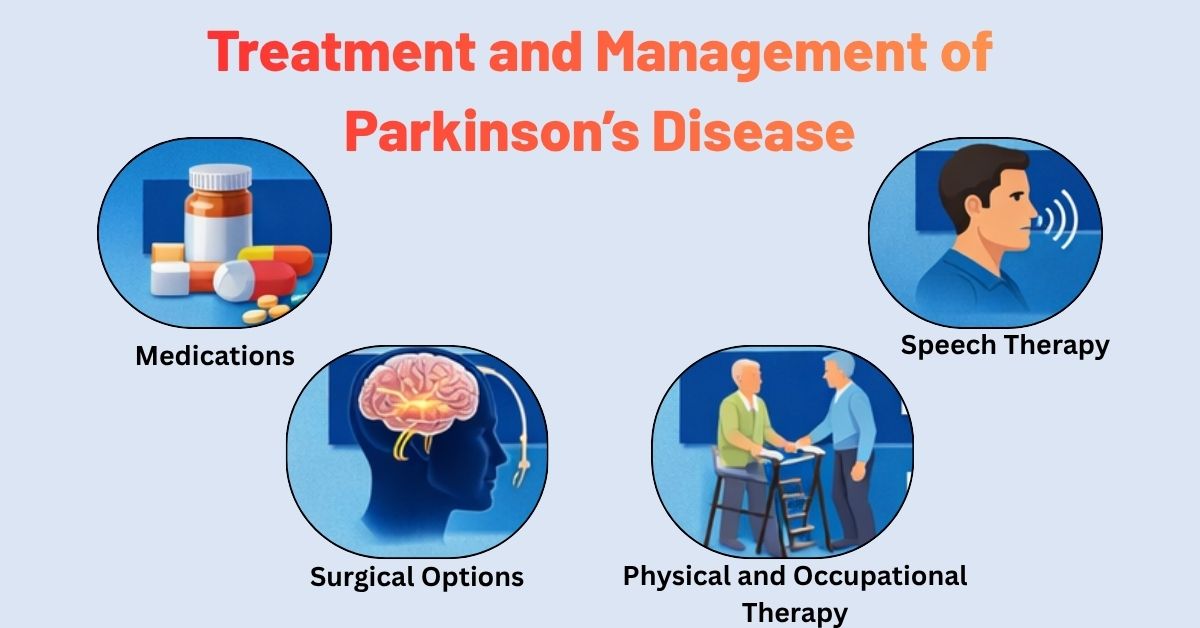
Treatment and Management of Parkinson’s Disease
While there is currently no cure for Parkinson’s disease, treatments can help manage
symptoms and improve quality of life. The primary treatment options include medication,
surgery, and lifestyle adjustments.
- Medication: Medications such as levodopa, dopamine agonists, and
MAO-B inhibitors can help increase dopamine levels in the brain, reducing symptoms.
However, as the disease progresses, medications may lose their effectiveness, and
side effects can emerge.
- Surgical Options: In some cases, when medication is no longer
effective, surgery like deep brain stimulation (DBS) may be considered. This
procedure involves implanting a device that sends electrical impulses to specific
areas of the brain, reducing symptoms and improving motor function.
- Physical and Occupational Therapy: Engaging in regular physical
therapy can help individuals maintain flexibility, strength, and mobility.
Occupational therapy focuses on improving daily life skills and adapting to the
changes caused by the disease.
- Speech Therapy: Since Parkinson's can affect speech, speech therapy
helps improve vocal strength, clarity, and communication.
Consultation at Bombay Hospital
Mumbai, a city known for its medical expertise, houses some of the best healthcare institutions
in India. One such institution is the Bombay Hospital and Medical Research Centre, which has
established itself as a leader in providing top-notch medical care. With over 70 years of
experience, Bombay Hospital has earned its reputation for offering advanced treatments and care
in various specialties, including Neurology and Neurosurgery.
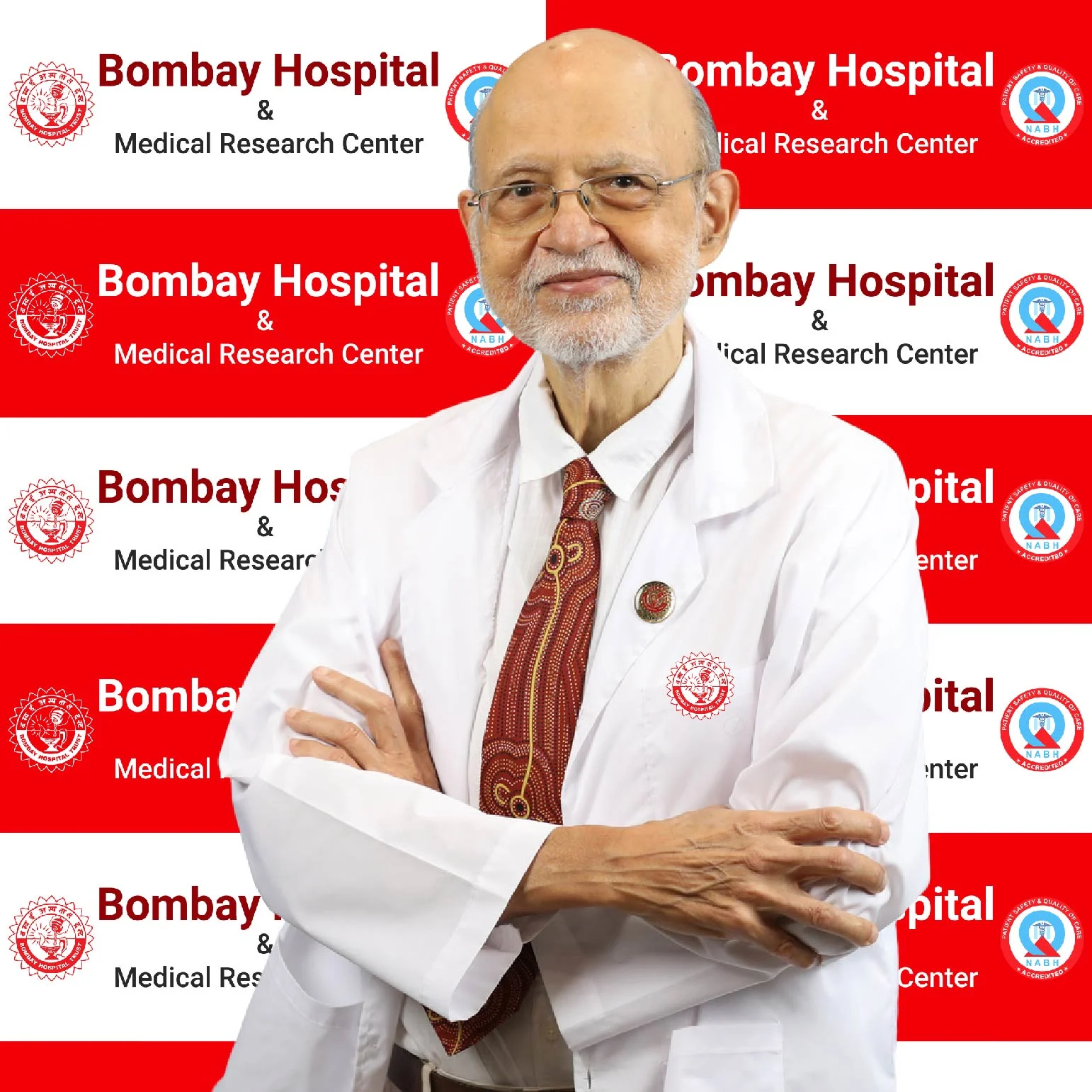
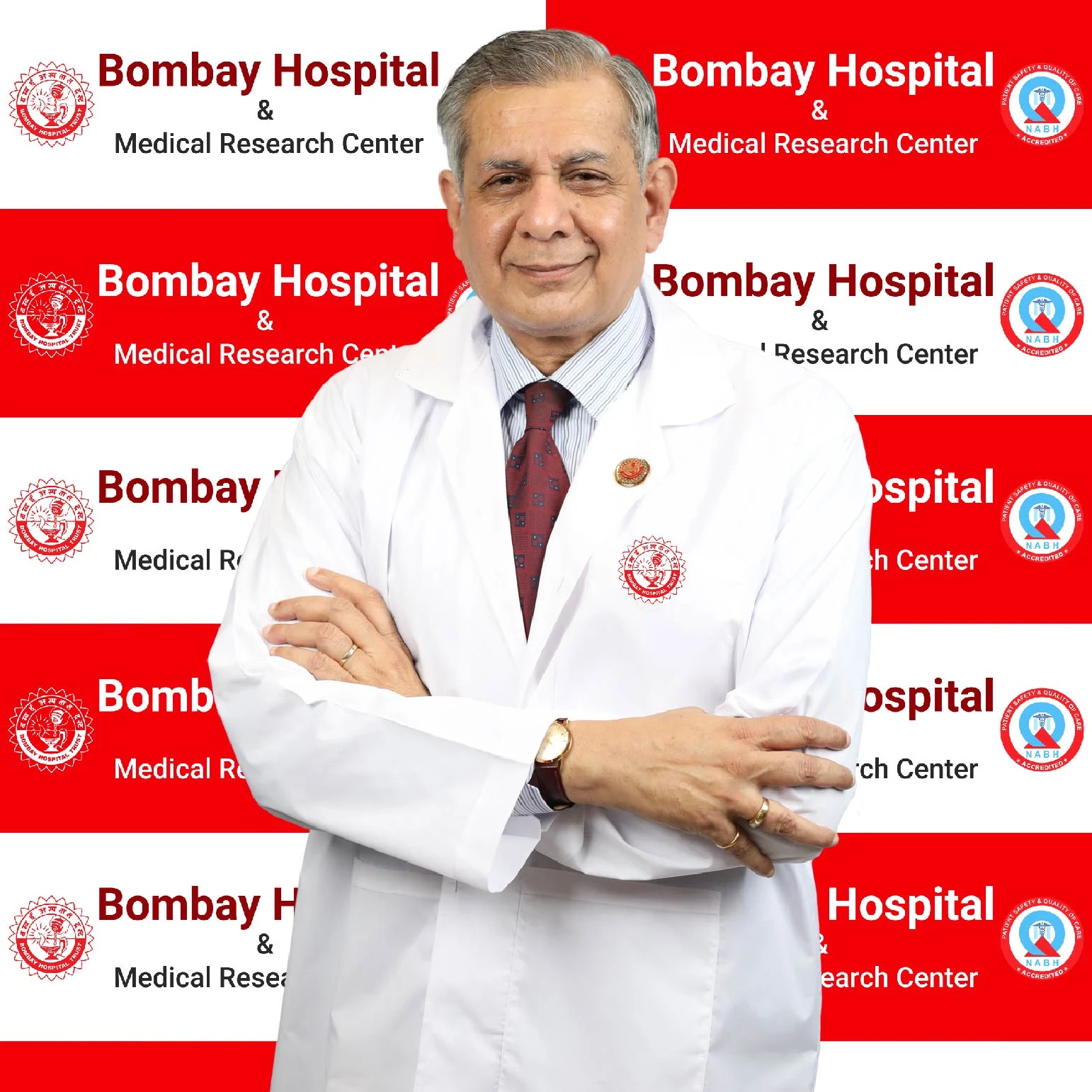
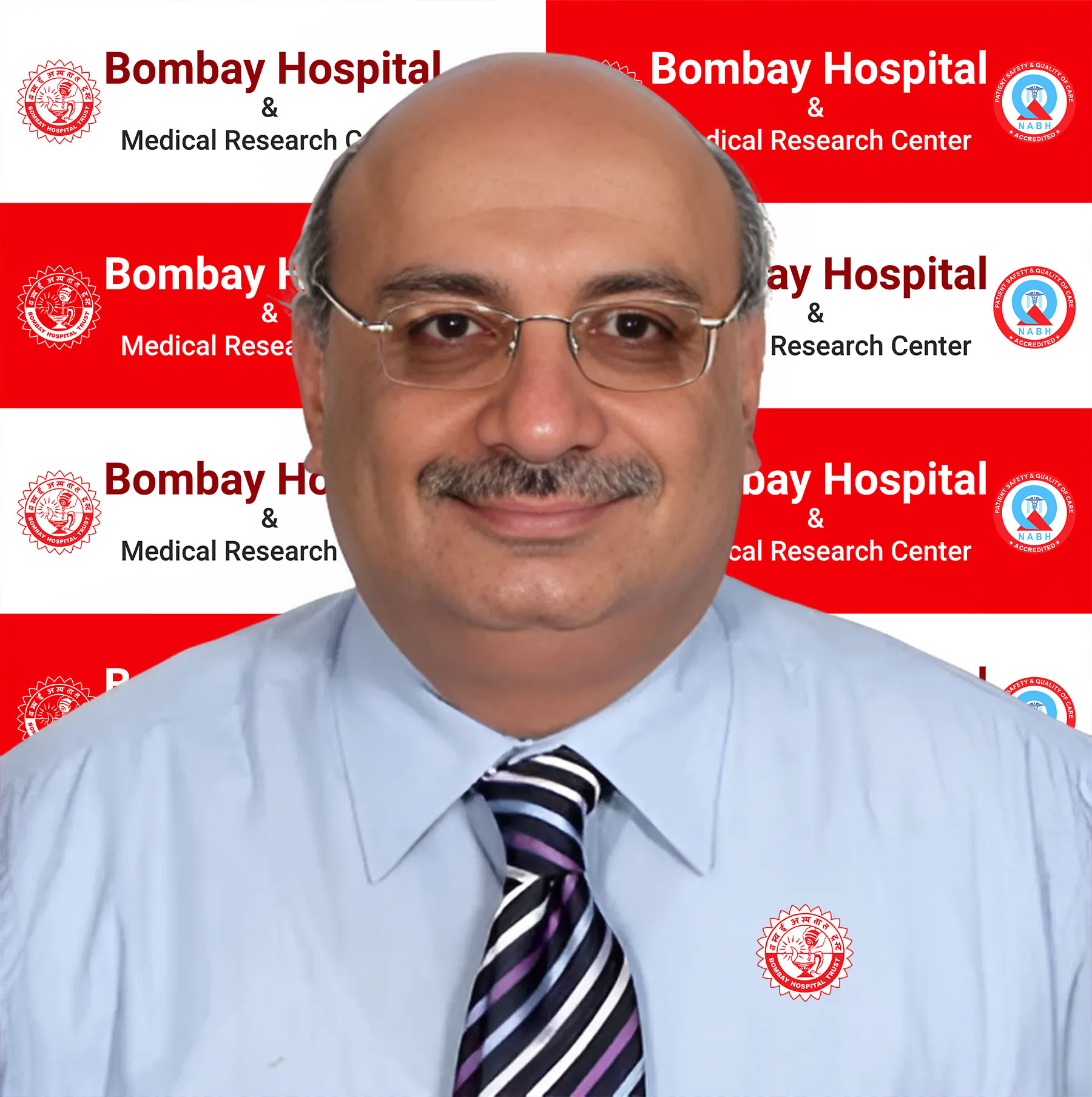
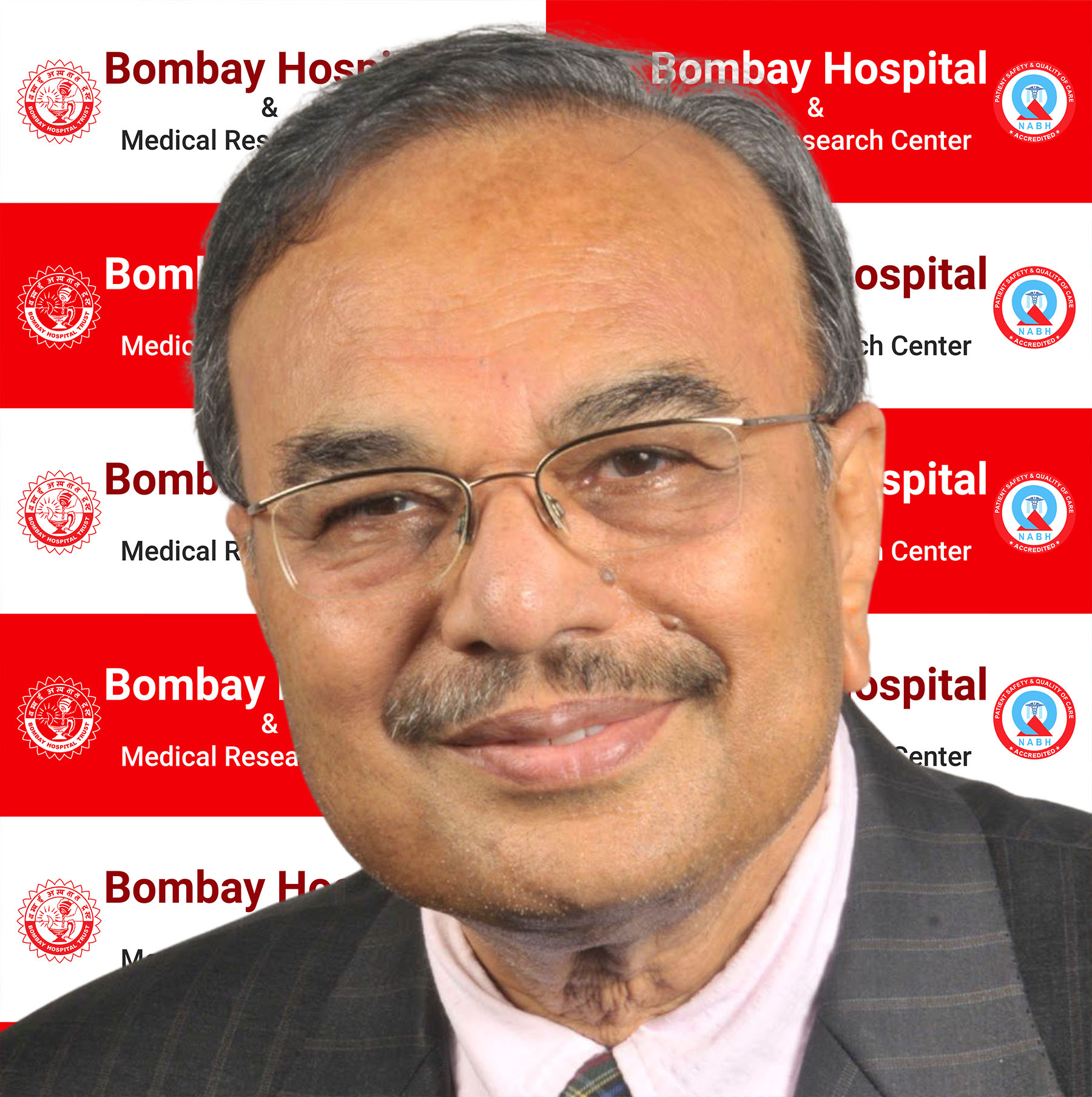
At Bombay Hospital, you’ll find a team of Neurologists in
Mumbai who specialize
in the diagnosis and treatment of conditions like Parkinson’s disease. Whether you are seeking
treatment for yourself or a loved one, their team is ready to offer expert guidance and care.
The specialties at Bombay Hospital include Cardiology, Cardiovascular Thoracic Surgery,
Endocrinology, Gastroenterology,
Nephrology, Pulmonary Medicine, Rheumatology, Urology,
Oncology, etc. These areas of expertise provide comprehensive care and treatment, addressing a
wide range of medical conditions and ensuring that patients receive the highest level of care.
To schedule a consultation, you can contact Bombay Hospital
directly in Mumbai. Whether you're in need of specialized Parkinson’s care or exploring
other neurological conditions, the team at Bombay Hospital is dedicated to providing world-class
treatment options and a compassionate approach.
FAQs on Parkinson’s Disease
The first signs can include tremors in one hand, slow movement, and muscle stiffness. If
these symptoms are noticed, it is important to consult with a neurologist for further
evaluation.
While Parkinson's disease can be hereditary in rare cases, most people with Parkinson’s
do not have a family history of the disease. Environmental factors and aging also play a
significant role in its development.
Currently, there is no definitive blood test for Parkinson’s. Diagnosis is typically
based on medical history, a neurological exam, and sometimes brain imaging tests like
MRI or CT scans.
Maintaining a healthy diet, regular exercise, and staying mentally active are important
for managing symptoms. Supportive therapies like physical therapy can help maintain
mobility and reduce the risk of falls.
Yes, there are ongoing clinical trials investigating new treatments for Parkinson’s
disease. Patients interested in participating can discuss this with their neurologist to
see if they qualify for a trial.
Conclusion
Parkinson’s disease is a complex condition that impacts not only the individual diagnosed but also
their families and caregivers. Through awareness and early intervention, individuals can manage the
disease and maintain a good quality of life. World Parkinson’s Day serves as a crucial reminder of
the ongoing need for research, treatment, and patient support.
If you or a loved one is experiencing symptoms of Parkinson’s disease, seeking advice from an expert
Neurologist in Mumbai is
essential. With the right care and a strong support
system, it’s possible to lead a fulfilling life despite the challenges Parkinson’s may bring. Don’t
hesitate to reach out to Bombay Hospital for a consultation and
take the first step toward managing
this condition effectively.