Introduction
Parkinson’s disease is a progressive neurological condition that affects millions of individuals worldwide. It
impacts the central nervous system, leading to symptoms like tremors, rigidity, and slow movements. While living
with Parkinson’s presents numerous challenges, it is possible to navigate the condition with strength,
resilience, and the right support. In this blog, we will discuss the struggles of living with Parkinson's,
explore treatment options, and highlight the importance of specialized care, such as that provided by
Bombay Hospital, a leader in
Parkinson's disease treatment in Mumbai.
Understanding Parkinson’s Disease: The Basics
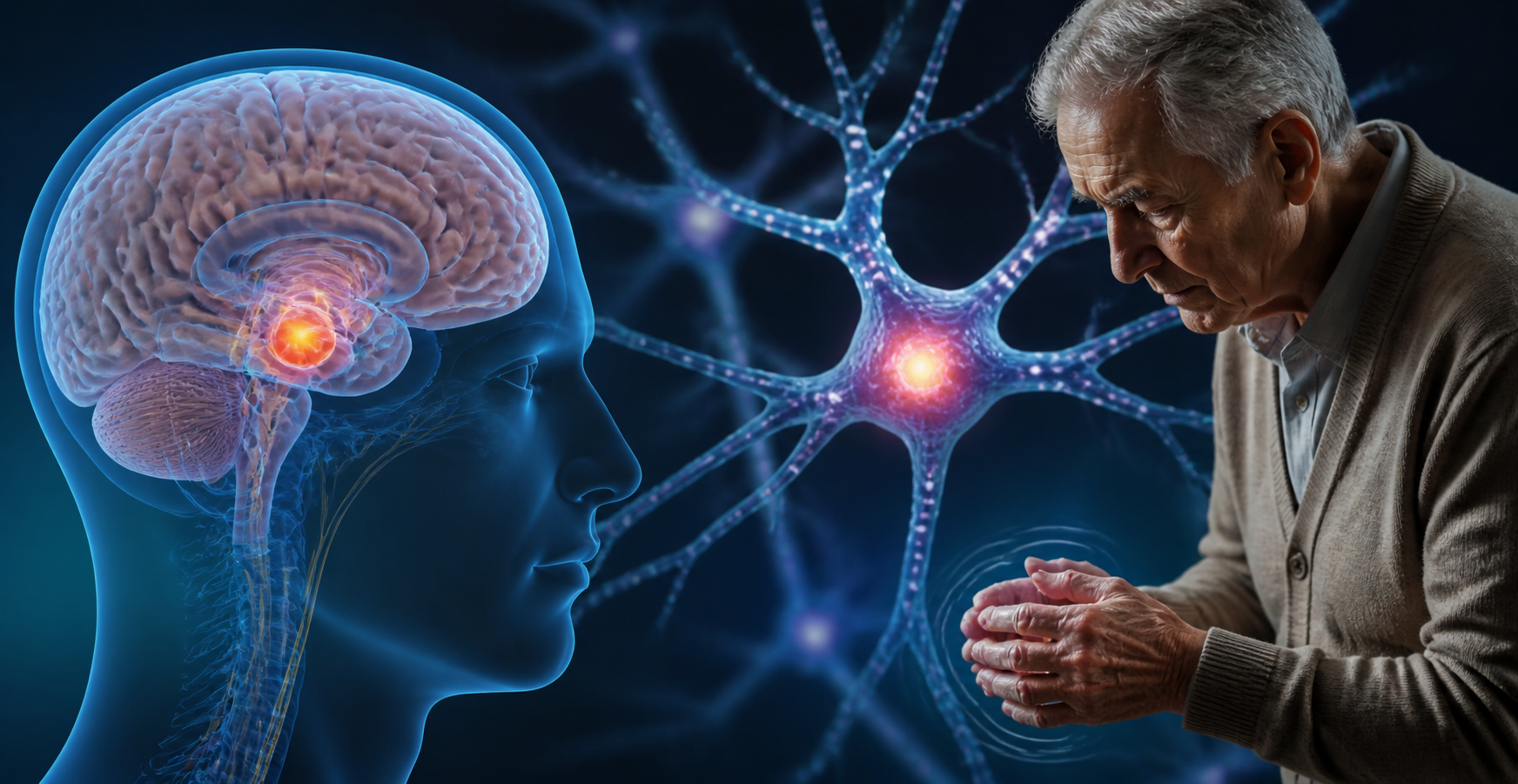
Parkinson’s disease occurs when the brain’s dopamine-producing cells begin to break down. Dopamine is a
neurotransmitter responsible for controlling movement and coordination, which is why the symptoms of
Parkinson’s are so motor-centric. The most common symptoms include tremors, stiffness, slowness of
movement (bradykinesia), and difficulty maintaining balance. As the disease progresses, non-motor
symptoms such as cognitive decline, sleep disturbances, depression, and anxiety can also emerge.
Though Parkinson’s disease typically affects people over the age of 60, it can occur earlier in some
individuals, often referred to as early-onset Parkinson’s. The causes of Parkinson’s remain unclear, though
it is believed that both genetic and environmental factors contribute to its development. Advances in Neurology have
helped researchers gain a deeper understanding of the condition, though much remains to be discovered about
its origins and progression.
Living with Parkinson’s: Overcoming the Daily Struggles
The daily life of a person with Parkinson's disease can be full of obstacles. Simple tasks like getting
dressed, eating, and walking may become difficult. People with Parkinson’s often experience a lack of facial
expression, known as "masked face," which can impact social interactions. The physical challenges are
compounded by emotional struggles, as patients often face depression, anxiety, and frustration with their
changing abilities. Consulting with a Neurologist in Mumbai who specializes in Parkinson’s disease can
help patients manage these symptoms effectively, ensuring they receive the right treatment and support
tailored to their needs.
Key Challenges:
- Movement Difficulties: Parkinson’s disease often causes tremors, muscle rigidity, and
slowness of movement, making everyday tasks more difficult and time-consuming.
- Emotional and Psychological Health: The toll of Parkinson’s isn’t just physical. Many
patients experience mood swings, depression, and anxiety as they deal with the uncertainties of the
disease.
- Cognitive Decline: As Parkinson's progresses, some people may experience difficulty
with memory, concentration, and decision-making, which adds another layer of complexity to daily life.
Despite these struggles, many people with Parkinson’s disease find strength through therapy, support groups,
and their loved ones. Treatment options are available that can help manage symptoms and improve quality of
life.
Bombay Hospital is known for its
comprehensive approach to treating Parkinson’s disease. Their team of
neurologists and neurosurgeons are
highly skilled in providing personalized treatment plans tailored to each
patient’s unique needs. Whether it's medication, physical therapy, or surgical interventions like deep brain
stimulation (DBS), patients at Bombay Hospital receive the highest
level
of
care.
For consultations and appointments, patients can reach out via the hospital's helpdesk or specialized
departments.
FAQs on Parkinson’s Disease
The early signs can be subtle but may include a slight tremor in the hands, stiffness in the arms or
legs, and changes in walking or posture. If you notice these symptoms, it’s important to consult a
healthcare provider for an accurate diagnosis.
Treatment for Parkinson’s typically involves medications such as Levodopa to replenish dopamine levels.
Other treatments may include physical therapy, speech therapy, and in some cases, surgical options like
deep brain stimulation (DBS) to help manage symptoms.
Currently, there is no cure for Parkinson’s disease, but treatments can significantly help manage
symptoms and improve quality of life. Early intervention and ongoing care are essential to slowing the
disease's progression.
Regular exercise, a balanced diet, and maintaining a routine can help manage symptoms. Support from
family, caregivers, and support groups is also crucial in maintaining emotional and physical health.
If you experience symptoms such as tremors, stiffness, or difficulty with movement, it’s important to
consult with a neurologist who specializes in Parkinson’s disease. Specialized care can help optimize
treatment and improve quality of life.
Conclusion
Living with Parkinson’s disease is a challenging journey, but it’s important to remember that treatment, care,
and support are available. Specialized medical care, like that provided at Bombay Hospital, plays a key role
in managing the condition and improving the quality of life for patients. Early diagnosis, along with the
right medications and therapies, can significantly slow the disease's progression and help individuals live a
fulfilling life.
For those navigating Parkinson’s disease, there is hope, and with the right care, it’s possible to face each
day with strength and resilience. If you or a loved one is experiencing symptoms of Parkinson’s, don’t
hesitate to reach out to a specialist at Bombay Hospital, where expert care is just a phone call away.