Introduction
Many people who smoke wonder if their lungs can recover after years of cigarette use. The answer depends on factors like smoking duration, existing lung damage, and overall health, but quitting smoking is the most important step toward protecting your lungs. Your body begins repairing itself soon after your last cigarette. This blog explains how your lungs recover after quitting smoking, what changes happen over time, and when you should consult a specialist for lung health.
What Happens to Your Lungs When You Stop Smoking?
Cigarette smoke contains thousands of harmful chemicals that irritate the airways and damage lung tissue. Long-term smoking can increase the risk of conditions like chronic bronchitis, COPD, and lung cancer.
When you quit smoking, your lungs begin a natural recovery process. The tiny hair-like structures inside your airways, called cilia, slowly start improving their ability to remove mucus, dust, and germs. This helps your lungs clear themselves more effectively.
The amount of recovery varies from person to person. Someone who smoked for a few years may experience different improvements compared with someone who smoked heavily for decades. A detailed lung evaluation from a pulmonologist in Mumbai can help understand your current lung condition.
Lung Recovery Timeline After Quitting Smoking
- After 20 Minutes: Heart and Breathing Begin to Improve
Within a short time after your last cigarette, your heart rate and blood pressure start moving toward healthier levels. Your body begins adjusting to the reduced nicotine and carbon monoxide exposure.
- After 12 Hours: Oxygen Levels Increase
Carbon monoxide from cigarette smoke reduces oxygen supply in your body. After quitting, carbon monoxide levels decrease, allowing your blood to carry oxygen more effectively.
- After 48 to 72 Hours: Airways Start Recovering
During this period, nicotine leaves your body. Some people notice changes in taste and smell. Your airways may begin relaxing, making breathing feel easier.
You may also experience cravings, mood changes, or difficulty concentrating. These symptoms are common during nicotine withdrawal and usually improve with time.
- After 2 Weeks to 3 Months: Lung Function Improves
Your blood circulation improves after quitting smoking. Many people notice better stamina during walking, exercise, or daily activities.
If you previously experienced breathlessness, you may start noticing gradual improvement. People with ongoing symptoms should consider consulting a lung specialist for proper assessment and guidance.
- After 3 to 9 Months: Lung Cleaning System Becomes Stronger
Smoking damages cilia, which help clear mucus and protect your lungs from infections. After quitting, these structures begin recovering.
You may notice changes like reduced coughing, less mucus production, and fewer breathing problems. If coughing continues for a long time, it may indicate an underlying condition that needs evaluation.
- After 1 Year and Beyond: Long-Term Lung Protection
Every smoke-free year reduces the harmful effects of tobacco exposure. Quitting does not reverse all existing damage, but it can prevent further lung injury and support better respiratory health.
Can Your Lungs Recover After Years of Smoking?
This is one of the most common questions smokers ask.
The lungs have a natural ability to repair some damage after smoking stops. Inflammation reduces, airway function may improve, and the risk of several smoking-related diseases decreases over time.
Some conditions, such as severe COPD or permanent lung tissue damage, may not completely reverse. Early diagnosis and proper management can help slow disease progression and improve quality of life.
A pulmonologist can assess your symptoms, smoking history, and lung function to recommend suitable care.
Signs That You May Need a Lung Check-Up
Many smokers ignore symptoms because they believe coughing or breathlessness is normal. These symptoms should not be overlooked, especially after years of smoking.
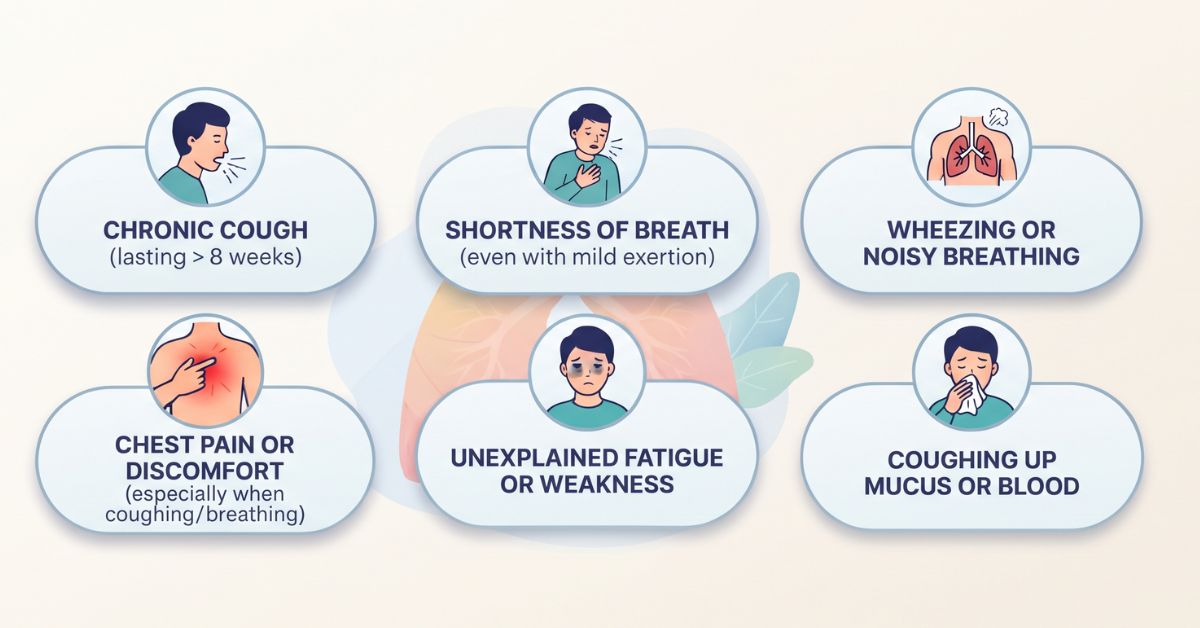
Consult a lung specialist if you experience:
- Persistent cough lasting more than a few weeks
- Shortness of breath during routine activities
- Frequent chest infections
- Wheezing or chest tightness
- Blood in sputum
- Reduced ability to perform daily activities
A specialist may recommend tests such as spirometry, chest imaging, or lung function assessment depending on your symptoms.
For people looking for expert respiratory care, choosing a best pulmonologist in mumbai can help ensure proper evaluation and treatment planning.
How Pulmonology Support Helps After Quitting Smoking
Quitting smoking is not always easy because nicotine creates physical and psychological dependence. Some people may need medical support to manage cravings and withdrawal symptoms.
A pulmonologist can help by:
- Assessing smoking-related lung damage
- Performing lung function tests
- Diagnosing conditions like COPD or chronic bronchitis
- Guiding smoking cessation strategies
- Creating a personalised respiratory care plan
Patients seeking advanced respiratory evaluation can explore Pulmonology treatment Mumbai options based on their symptoms and medical needs.
At Bombay Hospital Mumbai, patients can access specialised healthcare services for respiratory concerns, including diagnosis and management of various lung conditions. A trusted Pulmonology hospital Mumbai focuses on accurate evaluation and patient-centred treatment approaches.
Why Early Lung Evaluation Matters
Many smokers wait until symptoms become severe before consulting a doctor. Early assessment can help detect changes in lung function before they become serious problems.
A lung check-up does not mean you have a serious disease. It provides important information about your respiratory health and helps you understand what steps you can take to protect your lungs. People searching for experienced specialists, including top 10 pulmonologist Mumbai or top 5 pulmonologist Mumbai, should consider doctors with expertise in diagnosing and managing smoking-related respiratory conditions.
Frequently Asked Questions
Your lungs can recover to some extent after quitting smoking. The level of recovery depends on your smoking history and whether permanent lung damage has occurred.
Some changes begin within weeks, while improvements in lung function can continue for months or years after quitting.
Coughing after quitting can happen because your lungs are clearing mucus and recovering their natural cleaning function. Persistent cough should be evaluated by a doctor.
Long-term smokers, especially those with symptoms, may benefit from lung function testing such as spirometry. A doctor can recommend suitable tests based on your health history.
Yes. Quitting smoking is one of the most important steps for people with COPD because it can slow further lung damage and improve disease management.
Conclusion
Quitting smoking is one of the strongest decisions you can make for your lung health. Your body begins healing soon after your last cigarette, and every smoke-free day supports better breathing and reduces future risks. If you have smoked for many years or notice breathing-related symptoms,
consulting a qualified lung specialist can help you understand your lung condition and choose the right treatment approach. A healthier future starts with protecting your lungs today.