Introduction
Monsoon season changes how your skin behaves. High humidity, sweat, and wet clothing keep the
skin damp for long hours. This creates a strong environment for fungal growth, acne flare-ups,
and persistent itching. You may notice red patches, small pimples, or irritation that does not
settle easily. These issues are common but need correct care to avoid worsening. In this blog,
you will understand why these skin problems increase during monsoon, how to manage them at home,
and when you should consider expert help from dermatology specialists. You will
also learn
practical steps to protect your skin during this season.
Why monsoon triggers skin problems
Skin depends on balance between oil, sweat, and bacteria. During the monsoon, this balance
breaks. Sweat does not evaporate quickly and stays on the skin. This blocks pores and increases
bacterial activity. Wet clothes and tight footwear add friction and moisture.
People with oily skin notice more acne. Those with sensitive skin experience itching and
irritation. In clinical practice, dermatology experts
often see a spike in seasonal skin
infections during rainy months, especially in urban areas like Mumbai where humidity stays high
for long periods.
Fungal infections in monsoon
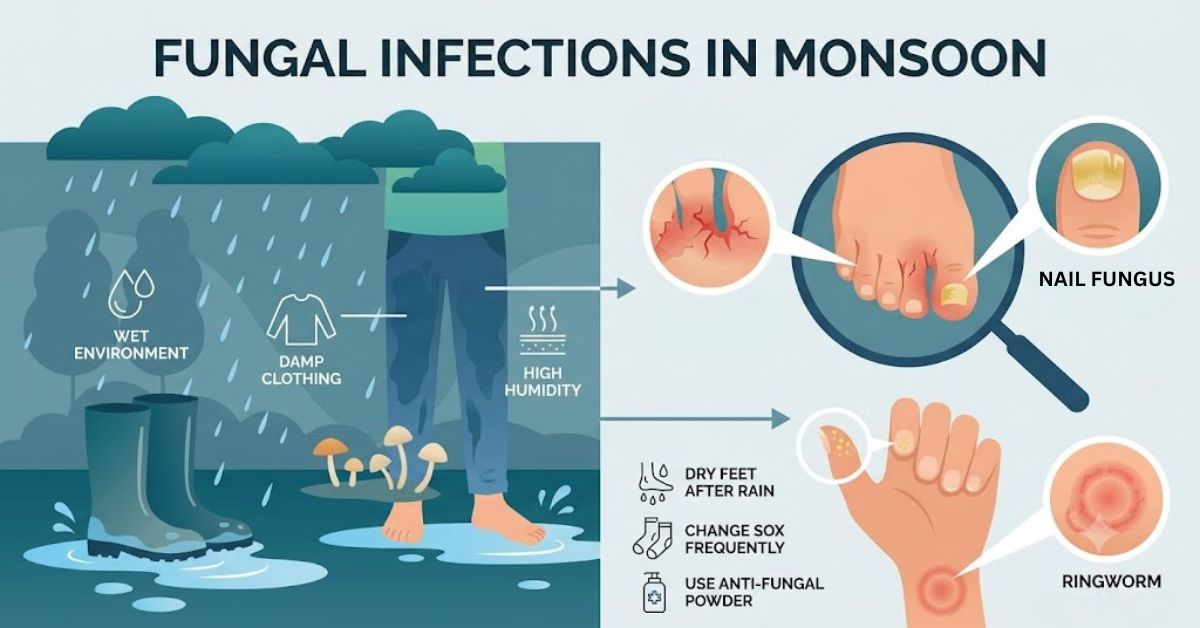
Fungal infections spread quickly in warm and moist environments. Common areas include
feet,
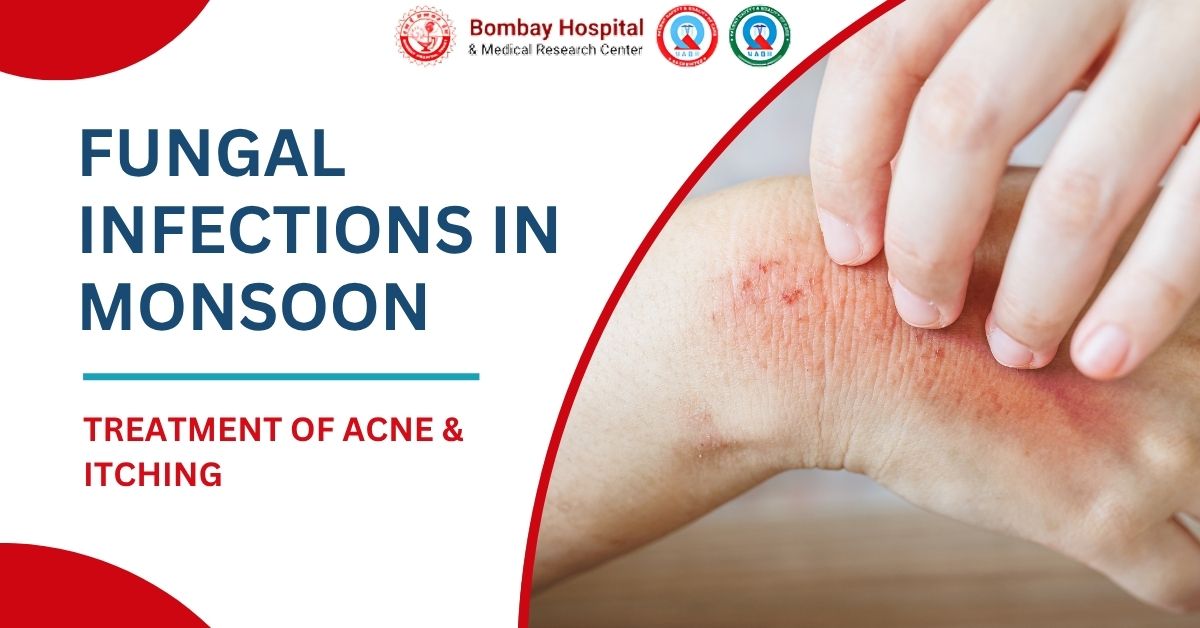
groin, underarms, and folds of the skin. You may see circular rashes, redness, and
continuous
itching. Walking barefoot in wet areas increases the risk. Sharing towels or clothes can
also
spread infection. Many people self-medicate, but wrong creams can worsen the condition.
A dermatologist
in
Mumbai usually checks the type of fungal infection before starting treatment.
In some cases, infection becomes stubborn and needs prescription antifungal medication.
Early
care prevents spread and reduces recovery time.
Acne flare-ups during rainy season
Acne becomes more active during monsoon because oil glands produce more sebum in humid
conditions. Sweat mixes with dirt and blocks pores. This leads to whiteheads, blackheads, and
inflamed pimples. Touching your face frequently worsens acne. Heavy skincare products also block
pores and increase breakouts.
In advanced cases, a dermatologist in Mumbai may suggest targeted acne treatment based on skin
type. People searching for advanced care often consult a celebrity
dermatologist in Mumbai for
personalized skin management plans, especially when acne affects appearance and confidence.
Itching and skin irritation causes
Itching during monsoon comes from multiple triggers. Sweat buildup, fungal infection, and fabric
friction are common reasons. Scratching may give short relief but damages the skin barrier and
spreads irritation. Synthetic clothing traps heat and increases discomfort. Poor drying after
bathing also keeps skin damp.
If itching continues for several days or spreads, it may need medical evaluation at a
dermatology hospital in Mumbai. Proper diagnosis helps
identify whether the cause is fungal,
allergic, or irritant-based.
Common mistakes people make during monsoon
Many skin problems worsen due to daily habits. These mistakes include:
- Wearing wet clothes for long hours
- Using strong antiseptic soaps on the face
- Applying steroid creams without advice
- Ignoring early signs of fungal patches
- Sharing personal hygiene items
Steroid misuse is a
major issue in India. It may reduce redness temporarily but worsens fungal
infections over time. Awareness and correct treatment matter more than self-treatment.
Safe skin care approach during monsoon
A simple routine can reduce most skin problems:
- Clean skin twice daily with mild cleanser
- Dry skin properly after bathing
- Use loose cotton clothing
- Keep skin folds dry
- Avoid sharing towels
- Change wet socks and clothes quickly
People with repeated issues often require structured treatment from dermatology specialists.
Skin conditions that return every monsoon should not be ignored.