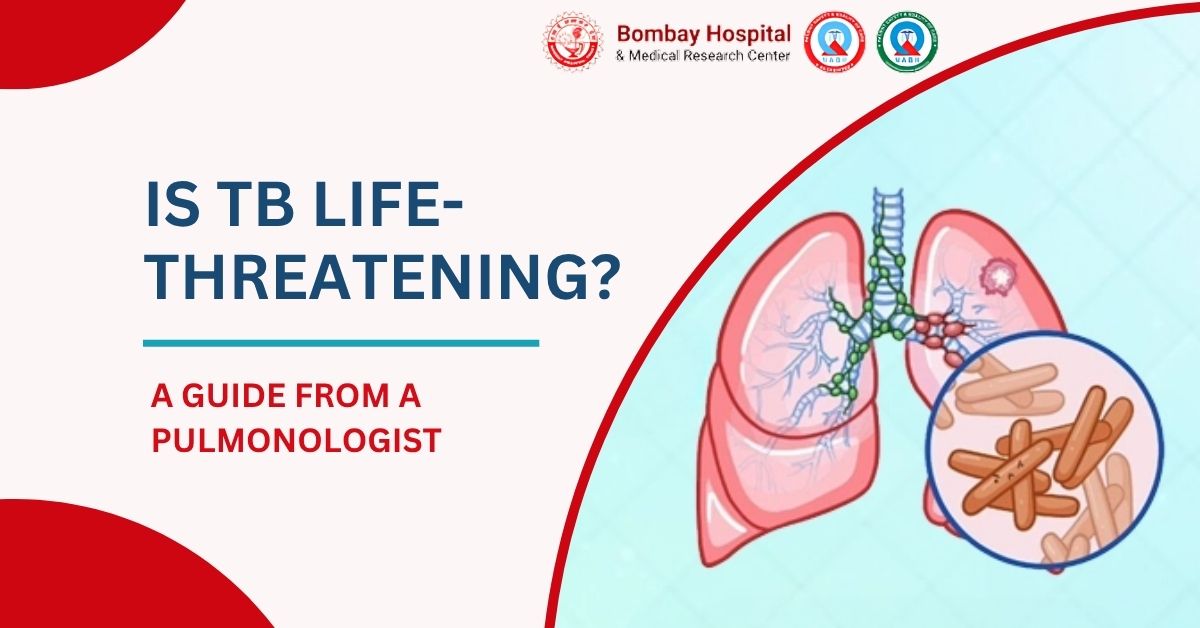
Tuberculosis (TB) is a contagious disease caused by the Mycobacterium tuberculosis bacteria. Despite the advancements in medicine, TB continues to be a major health issue in many parts of the world. This disease primarily affects the lungs but can spread to other parts of the body, such as the kidneys, bones, and brain. It is crucial to understand whether TB can be life-threatening and the impact it has on a person’s health. In this blog, we will dive into the life-threatening nature of tuberculosis, its symptoms, treatment options, and prevention strategies. Additionally, we will answer common questions about TB and guide you on when to seek professional medical care.
What Is Tuberculosis (TB)?
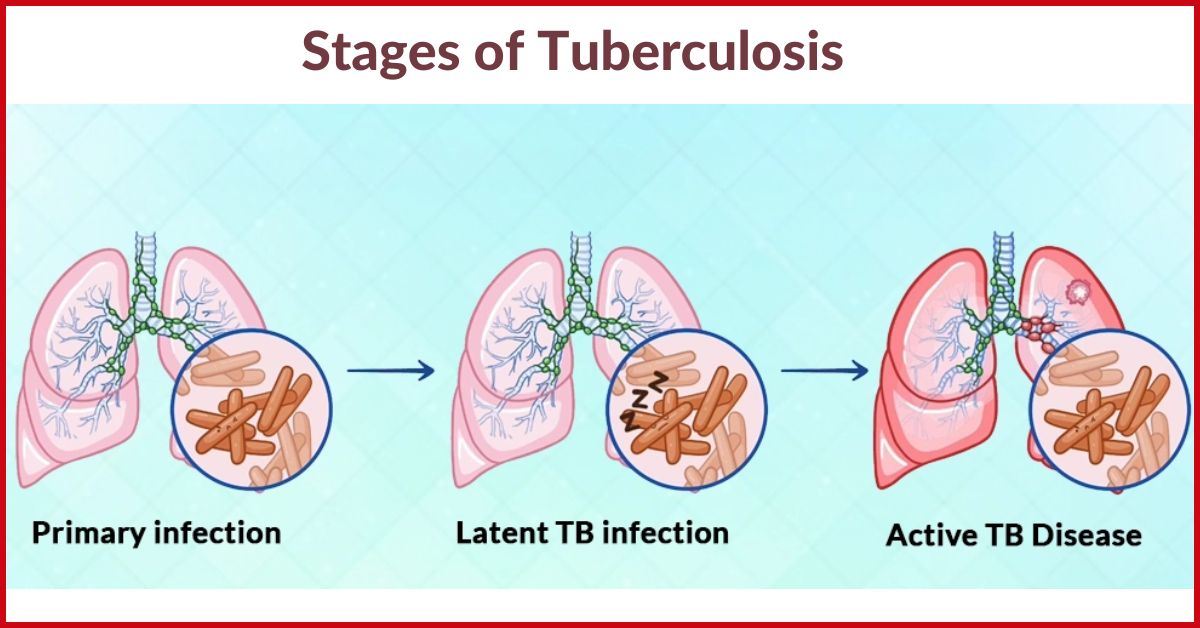
Tuberculosis is a serious infectious disease primarily affecting the lungs, though it can target other organs as well. TB spreads when an infected person coughs or sneezes, releasing droplets into the air that others can breathe in. The bacteria attack the lungs, causing severe respiratory issues, and if left untreated, TB can lead to irreversible damage and death.
While TB is no longer as deadly as it once was due to modern antibiotics, it remains a global health threat. The World Health Organization (WHO) continues to prioritize TB control programs, especially in countries where the disease burden is high. Understanding TB's life-threatening potential can help you take necessary precautions and seek timely treatment.
How Does Tuberculosis Affect the Body?
The bacteria responsible for TB typically attack the lungs, causing symptoms like coughing, fever, weight loss, and night sweats. TB can also affect other organs like the brain, kidneys, spine, and lymphatic system. The severity of the disease depends on how advanced the infection is and the person’s overall health.
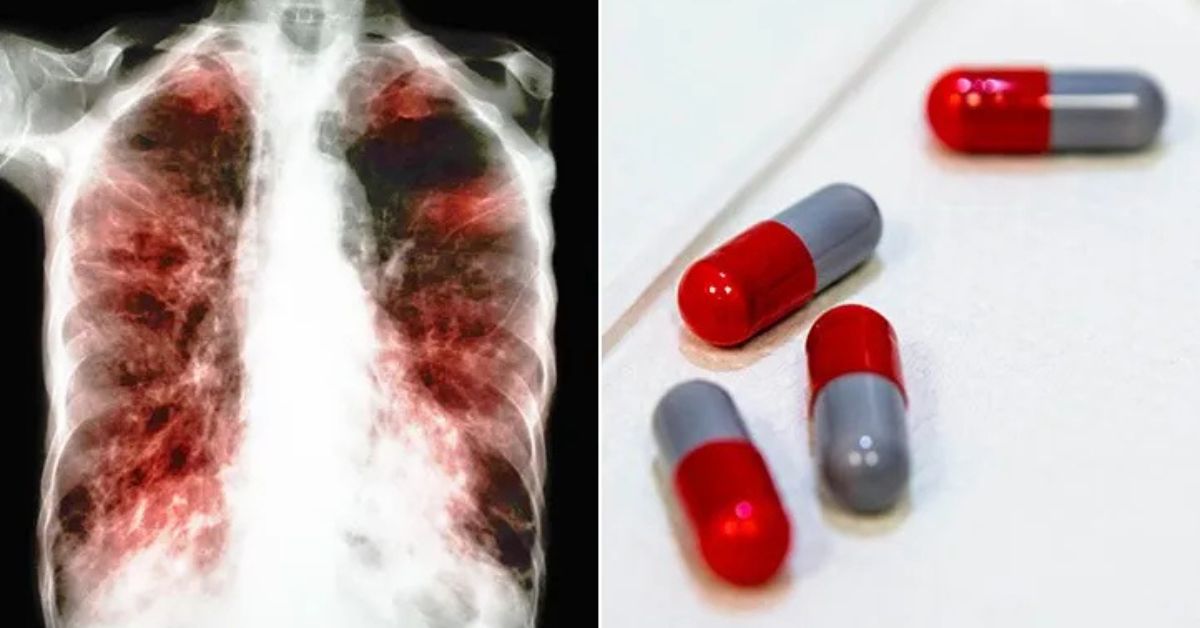
The Pulmonology department plays a critical role in diagnosing and managing pulmonary TB, especially when the disease severely impacts the lungs and breathing. TB can cause lasting damage to lung tissue, leading to complications like pleurisy, lung abscesses, and permanent scarring.
When Does Tuberculosis Become Life-Threatening?
Without treatment, TB can cause significant complications and can be life-threatening. The risk of severe illness increases in people with weakened immune systems, such as those with HIV/AIDS, the elderly, or individuals undergoing treatments like chemotherapy. If left untreated, TB can cause irreversible damage to the lungs and other organs, leading to organ failure and death.
One of the key challenges in managing TB is the emergence of drug-resistant strains. These resistant forms of TB are more difficult to treat and require longer, more intensive treatment regimens. Multidrug-resistant TB (MDR-TB) and extensively drug-resistant TB (XDR-TB) are particularly concerning because they significantly reduce the effectiveness of available medications.
The Importance of Early Diagnosis and Treatment
Early detection and treatment are crucial in managing TB and preventing it from becoming life-threatening. If you experience symptoms such as persistent coughing, chest pain, blood in the sputum, unexplained weight loss, and fever, it is essential to seek medical attention immediately. A Pulmonologist in Mumbai can assess your symptoms, perform tests, and start the appropriate treatment if needed.
A TB test, such as the skin test (Mantoux test) or blood tests, helps determine if you are infected with TB. Early treatment typically involves a six-month course of antibiotics that help kill the bacteria and prevent the disease from progressing to a more severe stage.
Treatment Options for Tuberculosis
The primary treatment for TB is a combination of antibiotics taken over a period of six to nine months. The most common antibiotics used include:
- Isoniazid
- Rifampicin
- Pyrazinamide
- Ethambutol
It’s essential to complete the entire course of treatment, even if symptoms disappear, to prevent the bacteria from developing resistance. If you miss doses or stop the treatment prematurely, the bacteria may become resistant to the drugs, making the disease harder to treat.
For patients with drug-resistant TB, alternative treatments and longer courses of antibiotics may be necessary. In some cases, surgery might be required to remove damaged tissue from the lungs or to treat complications like lung abscesses.
Preventing the Spread of Tuberculosis
Preventing TB from spreading is essential to protect both individuals and the wider community. Here are a few ways to reduce the transmission of TB:
- Cover your mouth and nose when coughing or sneezing to prevent the bacteria from spreading.
- Take all prescribed medications as directed to ensure the infection is completely eradicated.
- Seek isolation if you have active TB until you are no longer contagious.
- Practice good hygiene by regularly washing your hands and using tissues when coughing or sneezing.
Consulting a Pulmonologist for TB Treatment
If you suspect you may have TB or have been diagnosed with the disease, it’s crucial to consult a Pulmonologist in Mumbai. The Bombay Hospital and Medical Research Centre, located in the heart of Mumbai, offers comprehensive care for patients suffering from pulmonary diseases like TB.
Bombay Hospital Consultation Details:
Located in South Mumbai, Bombay Hospital has been a hub for quality healthcare since 1952. Specializing in Pulmonary Medicine, the hospital provides expert consultation, diagnosis, and treatment for TB and other respiratory conditions. To schedule an appointment with one of their experienced pulmonologists.
The hospital offers expert services in Pulmonary Medicine, Cardiology, Endocrinology, Gastroenterology, and more. It is a trusted destination for those seeking comprehensive medical care in Mumbai.
FAQs
Yes, TB is highly contagious, especially when an infected person coughs or sneezes, releasing bacteria into the air. It is essential to take precautions to avoid spreading the disease.
Yes, TB is treatable with a combination of antibiotics. However, it is important to complete the full course of medication to prevent the development of drug-resistant strains.
Common symptoms include persistent coughing, chest pain, coughing up blood, night sweats, fatigue, weight loss, and fever.
While TB primarily affects the lungs, it can spread to other organs, including the kidneys, spine, and brain, leading to more severe complications.
People with weakened immune systems, such as those with HIV/AIDS, and individuals living in crowded or unsanitary conditions are at higher risk of contracting TB.
Conclusion
Tuberculosis is a serious condition that can be life-threatening if left untreated. However, with early diagnosis and the proper course of treatment, the disease can be controlled and even cured. If you experience symptoms of TB or suspect you may be at risk, it is crucial to seek medical attention. A Pulmonologist in Mumbai can guide you through the diagnostic process and help you manage your treatment effectively. Remember, early intervention can save lives, and with the right care, you can recover and lead a healthy life.