In today's fast-paced world, many of us are looking for ways to feel healthier, boost energy, and shed a
few extra pounds. A detox diet is often presented as a solution to these problems, but what exactly is
it, and how does it work? This blog will explore the science behind detox diets, how they work, their
potential benefits, and the myths surrounding them. We'll also touch on when to consult a healthcare
professional or a Dietitian in
Mumbai, particularly in a city where healthcare excellence is readily
available.
Introduction
Detox diets have gained popularity as a quick way to cleanse the body and improve
overall health. Whether you're looking to rid your body of toxins or simply hit the
reset button on your health, detox diets are often touted as a simple solution. But,
like any trend, it's important to understand the facts and separate them from the myths.
In this blog, we'll discuss what a detox diet involves, its effectiveness, and how it
could potentially benefit your body. If you're considering a detox or need professional
guidance, you can also consult specialists at Bombay
Hospital, Mumbai, a trusted medical
institution offering expert care in various health fields.
What is a Detox Diet?
A detox diet is typically a short-term eating plan designed to eliminate toxins from the body.
It focuses on consuming specific foods, drinks, or supplements that are believed to support the
body's natural detoxification processes. These processes primarily occur in the liver, kidneys,
and digestive system, which are responsible for filtering out toxins and waste products.
Many detox diets restrict certain food groups like processed foods, sugar, alcohol, caffeine,
and sometimes even meat or dairy. The idea is to give the body a break from substances that can
accumulate over time and may contribute to inflammation or poor digestion.
Common Detox Methods:
- Juice Cleanses – Drinking only fruit and vegetable juices for a period,
typically 3 to 7 days.
- Water Fasts – Consuming only water for a short time.
- Elimination Diets – Removing certain foods, like gluten or sugar, to reduce
inflammation and allow the digestive system to rest.
How Does a Detox Diet Work?
The concept behind detox diets is simple: by avoiding toxins and supporting your body with
healthy, nutrient-rich foods, you allow your organs to work more efficiently. The liver,
kidneys, and intestines are the primary organs involved in detoxification. These organs
naturally filter out waste products and toxins from the body. A detox diet aims to support this
natural process by providing your body with essential nutrients and reducing the load of
processed foods and chemicals.
Key Benefits:
- Improved Digestion: By avoiding processed foods and toxins, the digestive
system gets a break and functions better.
- Better Skin Health: A detox can help reduce inflammation, which may lead to
clearer skin.
- Increased Energy: Many people report feeling more energized after
completing a detox diet due to reduced sugar intake and better digestion.
When to Consider a Detox Diet?
If you're feeling sluggish, have poor digestion, or have been overindulging in unhealthy food, a
detox diet may be helpful. It’s essential to recognize that a detox diet is not a long-term
weight loss solution. Instead, it’s more of a reset to kick-start healthier habits.
For those living in Mumbai or South Asia, there is an abundance of medical centers and hospitals
where professionals can guide you through a detox regimen. One such example is the Bombay
Hospital and Medical Research Centre in South Mumbai. A place with over seven decades of
experience and a range of specialists, they can help you determine if a detox is appropriate for
your health needs.
Myths About Detox Diets
While detox diets are popular, there are several misconceptions that need to be addressed. Here
are some of the most common myths:
- Detox Diets Lead to Quick Weight Loss: Detox diets may cause temporary
weight loss due to water loss, but they are not effective for long-term weight management.
- All Detox Diets Are Safe: Not all detox diets are safe. Extreme fasting or
juice cleanses can lead to nutrient deficiencies if done for long periods.
- Detoxing Removes All Toxins: While detox diets may help the body, they
cannot completely eliminate all toxins. The liver and kidneys do this naturally with proper
care and diet.
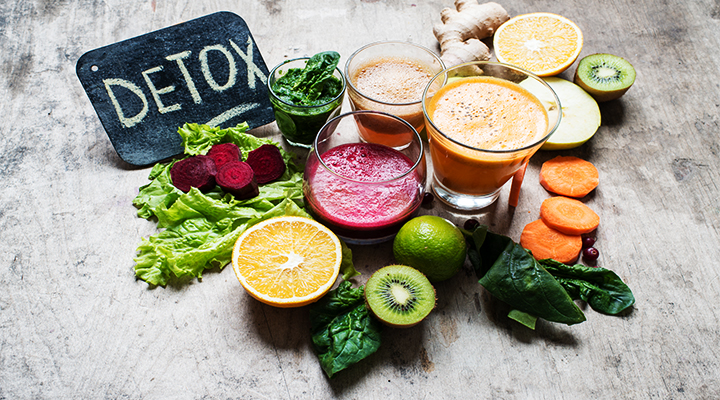
Foods That Support Detoxification
To support your body's natural detox processes, here are some foods that are commonly included
in detox diets:
- Leafy Greens: Kale, spinach, and arugula are rich in antioxidants that help
cleanse the body.
- Lemon: Known for its ability to boost the liver's function and aid
digestion.
- Beets: High in fiber and nutrients that support liver detoxification.
- Green Tea: Packed with antioxidants, it helps boost metabolism and supports
the liver.
- Water: Hydration is essential to flushing out toxins through urine and
sweat.
When Should You Consult a Doctor About Detox Diets?
Before starting any detox diet, especially if you have underlying health conditions, it is
recommended to consult with a healthcare professional. If you are pregnant, have liver or kidney
disease, or suffer from eating disorders, certain detox diets may not be safe for you.
If you’re considering a detox to improve your health, it’s best to start with a medical
consultation. In Mumbai, Bombay Hospital is an excellent
choice for consultations with
specialists in Gastroenterology and Endocrinology to
determine if a detox is right for you.
FAQs
Detox diets are typically short-term solutions that may lead to temporary weight loss.
Long-term weight management requires lifestyle changes and a balanced diet.
Most detox diets last between 3 to 7 days. However, it’s important not to go overboard,
as extreme fasting can lead to nutrient deficiencies.
Some individuals may experience fatigue, headaches, or digestive discomfort while on a
detox diet, especially if they drastically change their food intake.
While some detox plans recommend supplements, most people can get the nutrients they
need through whole foods. Always consult a healthcare professional before using
supplements.
Light exercise like walking or yoga is usually safe. However, high-intensity workouts
may be too taxing if you're on a restrictive detox diet.
Conclusion
Detox diets are an effective way to support your body’s natural detoxification processes and may
help you feel more energized and healthier. While there is no magic solution to remove all toxins
from the body, a detox diet can certainly give your system a break and help you reset your habits.
Always seek medical advice before beginning any diet, and remember that a balanced, nutrient-rich
diet is key to long-term health. If you're in Mumbai, places like Bombay Hospital can provide you
with expert guidance on detox plans that suit your health needs.