7-Day Detox Diet: What You Need to Know
A 7-day detox diet plan has become popular among people who want to lose weight, improve digestion, or feel healthier. Social media often promotes detox juices, herbal teas, and strict meal plans that promise quick results. But does your body really need a detox diet? Can following one for seven days improve your health? Understanding the benefits, risks, and healthier alternatives can help you make informed choices.
What Is a 7-Day Detox Diet?
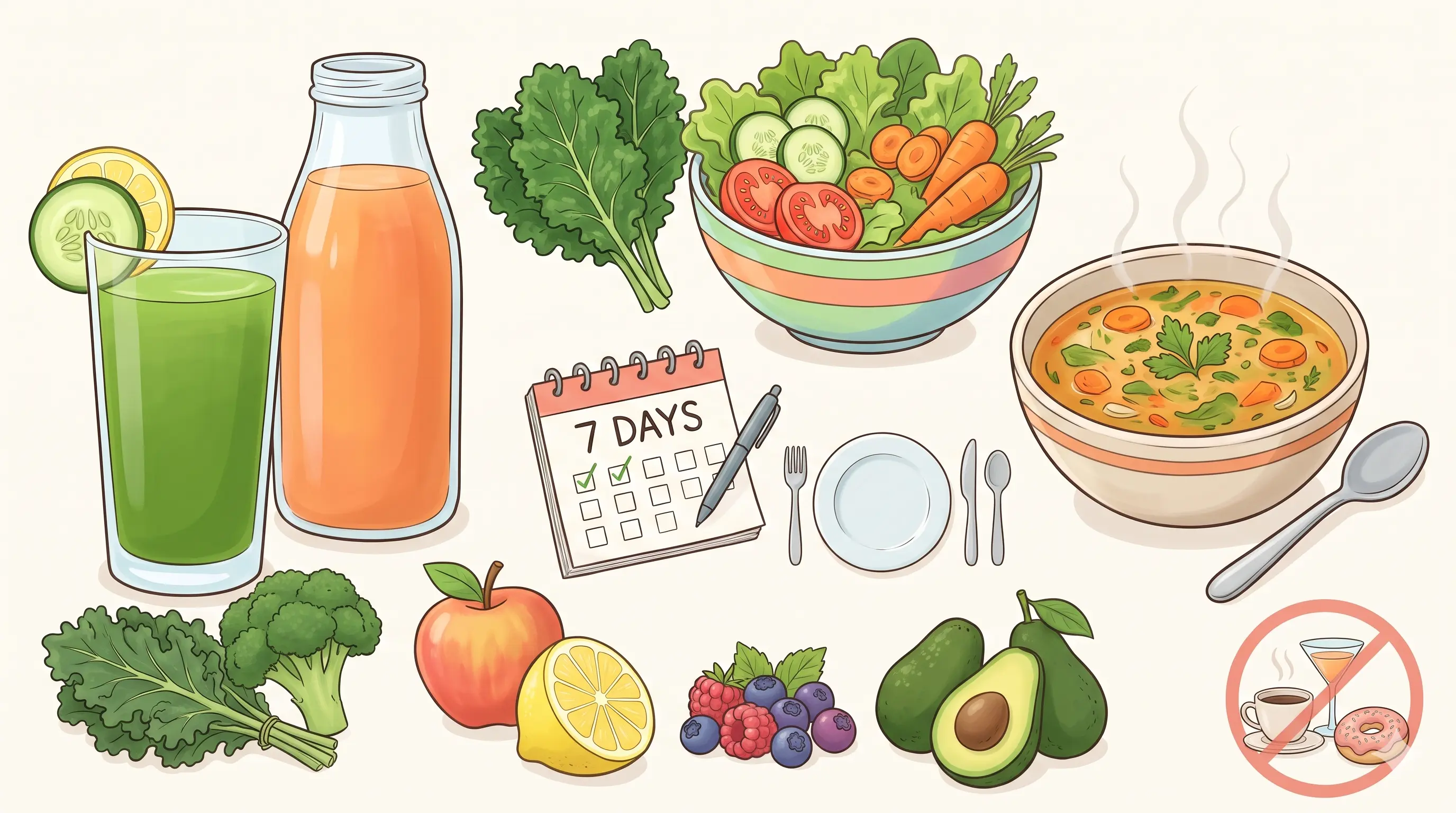
A 7-day detox diet is a short-term eating plan that claims to remove harmful substances from your body. These plans often limit certain foods and encourage fruits, vegetables, juices, and herbal drinks.
Common features include:
- Drinking fruit and vegetable juices.
- Avoiding processed foods and added sugar.
- Reducing caffeine and alcohol.
- Eating fruits, salads, and vegetable soups.
- Following restricted meal portions.
Some plans promote fasting or liquid-only diets. Others focus on balanced meals and hydration.
Before trying any plan, consulting a dietitian in Mumbai can help you understand whether it suits your nutritional needs.
How Does a Detox Diet Work?
Detox diets claim to help your body eliminate toxins. In reality, your body already has organs that perform this function.
Your liver processes many substances, while your kidneys filter waste products from your blood. Your digestive system also helps remove waste.
A detox diet may make you feel lighter because you eat fewer calories and reduce processed foods. This does not mean your body has removed additional toxins. If you want to understand detox methods and their claimed benefits,
read detox diet benefits guide.
What Does a Healthy 7-Day Eating Plan Include?
Instead of following a restrictive detox programme, you can use seven days to develop healthier eating habits.
Here is a simple approach:
- Day 1: Begin with balanced meals, including vegetables, dal, rice, and curd.
- Day 2: Add whole fruits such as apples, oranges, or guava instead of packaged juices.
- Day 3: Include protein sources such as pulses, eggs, paneer, or fish.
- Day 4: Choose whole grains like oats, whole wheat roti, or brown rice.
- Day 5: Replace sugary beverages with plain water or unsweetened drinks.
- Day 6: Include fibre-rich foods to support regular bowel movements.
- Day 7: Review your eating habits and identify changes you can maintain.
This example is not a medical diet prescription.
A Nutrition Clinic in Mumbai can help you create an eating plan based on your age, health conditions, food preferences, and daily routine.
The goal should be to eat well, not to skip meals or depend only on liquids.
Can a 7-Day Detox Diet Help With Weight Loss?
You may notice weight changes during a seven-day detox programme. But these changes do not always represent fat loss. Restricted diets often reduce calorie intake and carbohydrate consumption. This may cause temporary water loss.
Once you return to your usual eating habits, some of that weight may return.
For lasting weight management, focus on:
- Eating regular, balanced meals.
- Controlling portion sizes.
- Choosing protein and fibre-rich foods.
- Limiting sugary drinks.
- Staying physically active.
- Maintaining adequate sleep.
A qualified dietitian in Mumbai can help you develop realistic weight-management goals without unnecessary food restrictions.
What Are the Risks of Detox Diets?
Not every detox plan is safe, particularly when it involves fasting, laxatives, or very low calorie intake.
Possible health concerns include:
- Weakness and fatigue: Eating too little may reduce your energy levels.
- Nutrient deficiencies: Restricting food groups can reduce protein, vitamin, and mineral intake.
- Dehydration: Detox teas containing laxatives may cause excessive fluid loss.
- Blood sugar changes: Skipping meals can cause problems for people taking diabetes medicines.
- Digestive discomfort: Sudden dietary changes may cause bloating or diarrhoea.
People with diabetes, kidney disease, liver conditions, or other medical concerns should avoid starting restrictive diets without professional advice.
A general physician can review your existing conditions and medicines before recommending dietary changes.
When Should You Consult a Dietitian in Mumbai?
If you are considering a detox diet for weight loss, digestion, or general wellness, professional nutritional guidance can help you avoid unnecessary restrictions. The Nutrition Clinic in Mumbai at Bombay Hospital provides personalised dietary guidance for weight management and nutrition-related health concerns. A qualified dietitian in Mumbai can review your eating habits, nutritional requirements, and medical history before suggesting suitable changes.
If you experience persistent fatigue, unexplained weight changes, digestive problems, or other symptoms, a general physician can assess your health and determine whether further evaluation is needed.
Frequently Asked Questions
No. Restrictive detox diets may not suit people with diabetes, kidney disease, or other health conditions. A balanced eating plan is generally a safer choice.
No detox diet specifically targets belly fat. Fat loss depends on several factors, including calorie intake, physical activity, sleep, and overall health.
There is no convincing scientific evidence that detox drinks improve your body's natural toxin-removal processes. Your liver and kidneys already perform these functions.
You should consult your treating doctor or a general physician before making major dietary changes. Fasting and restricted meals may affect blood sugar control.
A balanced diet generally provides more protein, fibre, and essential nutrients than a juice-only cleanse. It also supports healthier eating habits beyond seven days.
Conclusion
A 7-day detox diet plan may encourage you to reduce processed foods and eat more fruits and vegetables. Yet restrictive detox programmes have no proven advantage for removing toxins or achieving lasting weight loss. Your body already has natural systems that manage waste removal. Instead of relying on quick dietary fixes, choose balanced meals, adequate hydration, and regular physical activity.
For personalised guidance, consult a dietitian in Mumbai at Bombay Hospital or speak with a general physician about your health concerns. Small, consistent dietary changes can support your well-being over time.