Constipation in children is a common yet concerning issue that many parents face. When a child is unable to pass stool regularly or experiences discomfort during bowel movements, it can create both physical and emotional stress. This condition can lead to abdominal pain, irritability, and a negative impact on a child’s overall health. Understanding the causes of constipation and adopting effective tips can help parents provide relief for their little ones. If you're seeking professional advice or treatment, Paediatrics in Mumbai offers specialized care to address such concerns and provide the best solutions for your child's well-being.
In this blog, we will explore the causes behind constipation in children, along with practical tips for alleviating the discomfort. Additionally, we will highlight the importance of professional care when necessary and offer information on consulting top medical professionals for more severe cases.
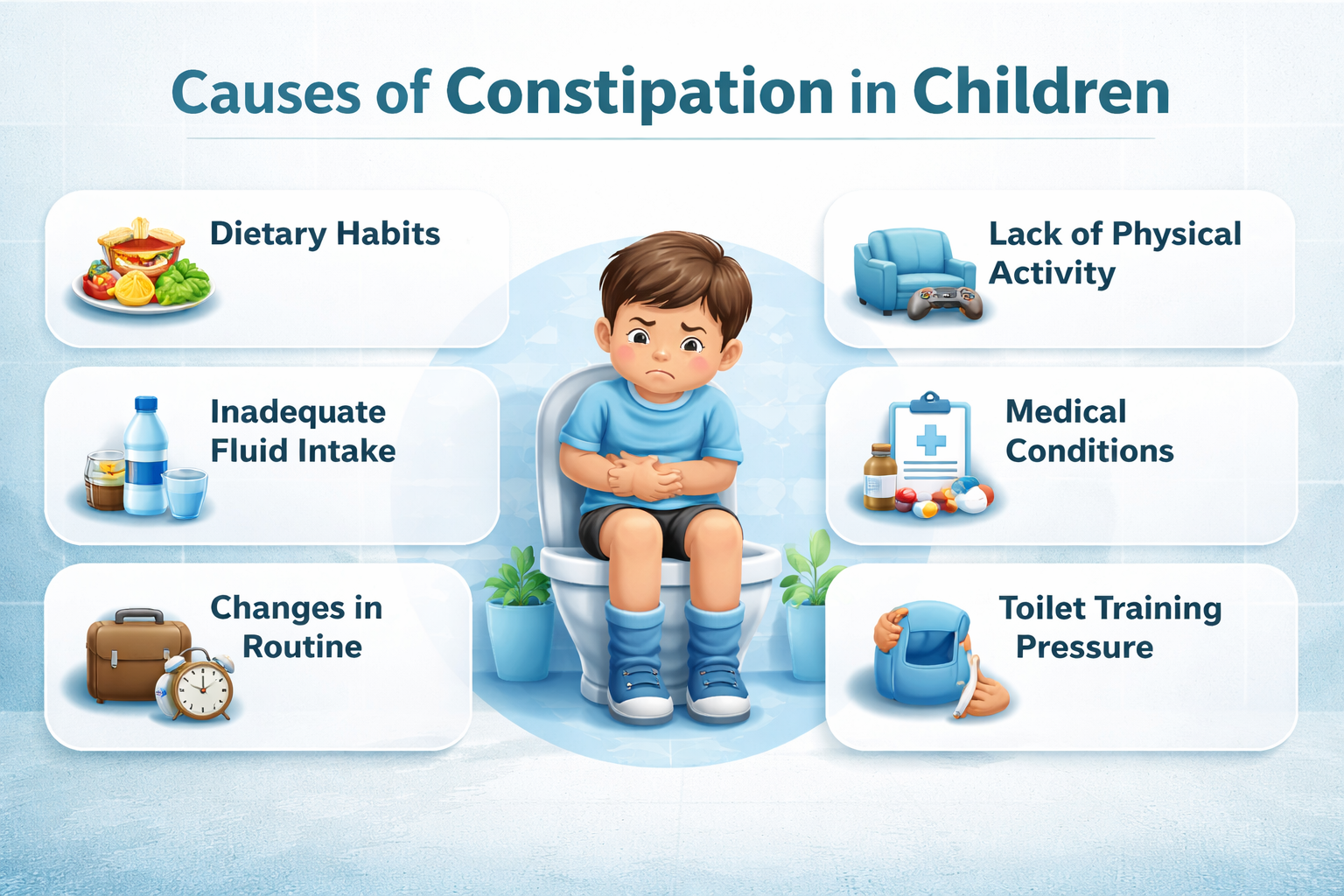
Constipation can occur in children for various reasons, some of which are lifestyle-related, while others are linked to underlying medical conditions. For expert advice and treatment, consulting a Paediatrician in Mumbai can help identify the cause and provide tailored solutions. Here are some common causes:
Dietary Habits
Lack of fiber in the diet can lead to constipation. Fiber is essential for softening stools and promoting regular bowel movements. Diets high in processed foods and low in fruits, vegetables, and whole grains can contribute to constipation.
Inadequate Fluid Intake
Water and fluids help soften stools, making it easier to pass. Dehydration is a common cause of constipation in children. Children who don't drink enough water may experience harder stools and difficulty passing them.
Changes in Routine
Travel, a change in schools, or a disruption in daily routines can cause stress and lead to constipation in children. Stress or anxiety may interfere with normal bowel function, especially during significant life changes.
Lack of Physical Activity
Physical movement stimulates the intestines. Children who are inactive or spend long hours sitting, such as when watching TV or playing video games, may experience constipation.
Medical Conditions
Some children may suffer from constipation due to medical conditions like hypothyroidism, irritable bowel syndrome (IBS), or gastrointestinal disorders. Chronic constipation can sometimes be linked to more serious issues such as Hirschsprung's disease or spinal cord problems.
Toilet Training Pressure
Some children may hold in their stool due to fear or resistance to using the toilet. This can worsen constipation over time and cause emotional stress.
Now that we’ve identified the causes, let’s look at some effective tips to help your child find relief from constipation:
Increase Fiber Intake
Ensure your child’s diet includes plenty of fiber-rich foods, such as fruits (apples, pears, and berries), vegetables (carrots, spinach, and broccoli), and whole grains (oats, brown rice, and whole wheat bread). Fiber helps promote regular bowel movements by adding bulk to the stool, making it easier to pass.
Encourage Drinking Water
Make sure your child is drinking enough fluids throughout the day. Water, milk, and even fruit juices can help prevent dehydration and soften stools. Limit sugary drinks like sodas, as they can lead to dehydration and worsen constipation.
Establish a Toilet Routine
Set a consistent time each day for your child to sit on the toilet, ideally after meals. This helps train their body to recognize regular bathroom breaks. Ensure your child is relaxed and not rushed when using the toilet. Provide a comfortable and supportive space for them to do so.
Promote Physical Activity
Encourage your child to play outside, engage in sports, or do any physical activity that keeps them moving. Regular exercise stimulates bowel function and can help prevent constipation by improving overall digestive health.
Use Stool Softeners or Laxatives (When Recommended)
In some cases, a pediatrician may recommend a stool softener or mild laxative to help your child pass stool more easily. Always consult with a healthcare professional before using any medications or supplements for constipation.
Reduce Stress and Anxiety
Help your child cope with stress or anxiety, especially if they are resistant to using the toilet due to fear or discomfort. Creating a positive, relaxed environment around toilet training can encourage your child to develop healthy bowel habits.
If your child’s constipation is persistent or severe, it’s crucial to seek professional medical advice. Chronic constipation or any symptoms that cause significant discomfort may require the attention of a healthcare provider. Your child’s pediatrician can assess the situation, rule out any underlying conditions, and offer appropriate treatment.
Mumbai is home to some of the best medical facilities in the country, including the renowned Bombay Hospital and Medical Research Centre. Located in the heart of South Mumbai, this hospital specializes in various medical fields such as Cardiology, Gastroenterology, Paediatric Surgery, Neurology, and more. The hospital’s experienced medical professionals provide comprehensive care for both adults and children, ensuring top-quality treatment for constipation and other health issues.
For consultations at Bombay Hospital, you can reach out to the hospital.
Constipation in children can be managed effectively with the right lifestyle changes, a balanced diet, and regular medical care when necessary. By following the practical tips outlined above, you can help your child find relief and prevent this condition from affecting their overall well-being. If symptoms persist, remember that seeking professional medical guidance from reputable hospitals like Bombay Hospital in Mumbai can provide the care and attention your child needs for a swift recovery.
Have any questions? We are ready to help.