How Spine Issues Cause Chronic Pain: Causes, Symptoms & Prevention

How Spine Issues Cause Chronic Pain: Causes, Symptoms & Prevention

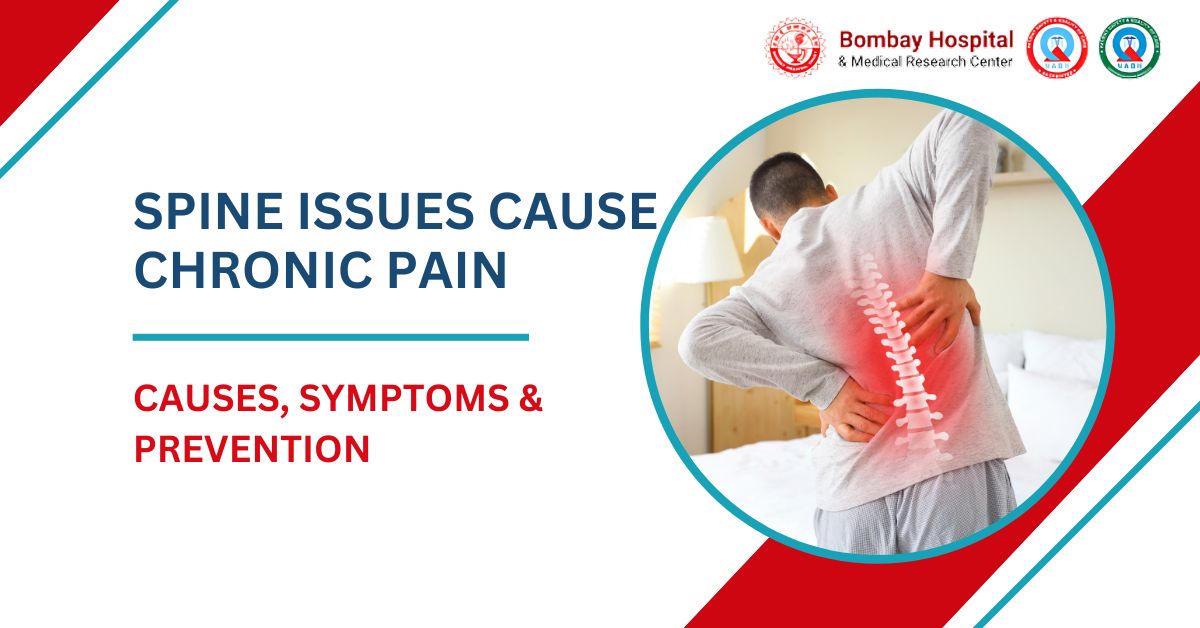
Chronic pain, especially spinal pain, can greatly impact your quality of life. It’s not just a nuisance; it can stop you from doing the things you love and affect your daily activities. The spine plays a crucial role in maintaining body posture, movement, and stability. When something goes wrong with it, the pain can be severe and long-lasting. This blog will delve into how spine issues cause chronic pain, the most common causes, symptoms to look for, and effective prevention methods. If you’re struggling with chronic back or neck pain, understanding these factors can help you take the right steps toward healing. For those seeking professional treatment, spine surgery in Mumbai can offer solutions for long-term relief.

What Causes Chronic Spine Pain?

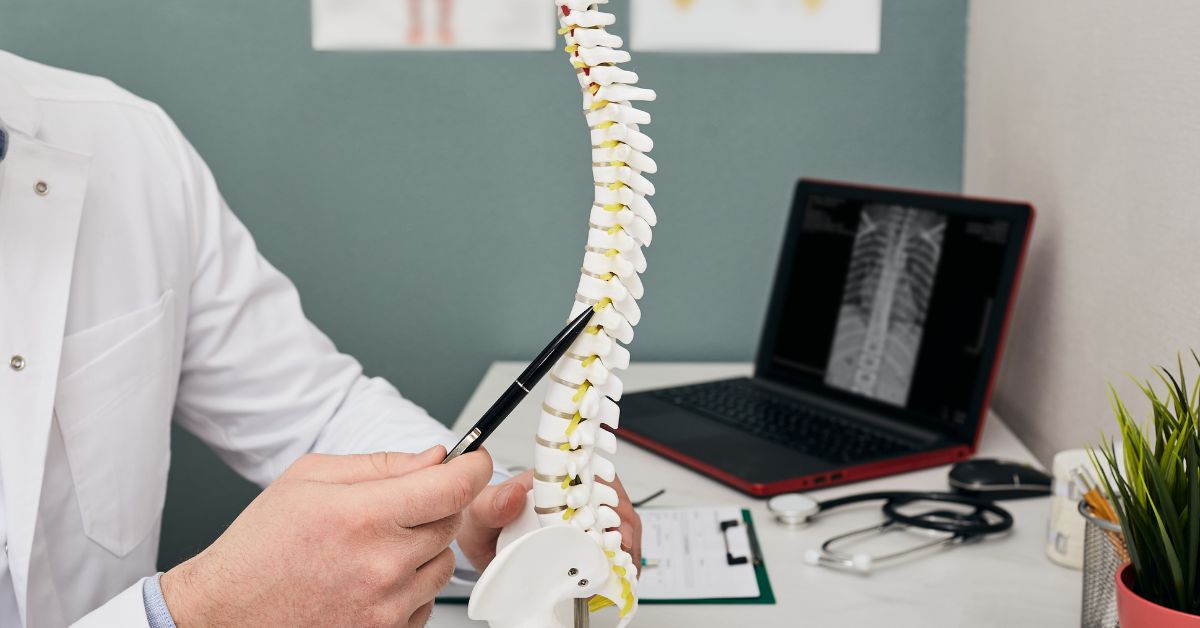
The spine is a complex structure, and many factors can cause chronic pain. Whether it's a degenerative condition, an injury, or a medical disorder, a Spine Surgeon in Mumbai can help identify the underlying cause. Here’s a breakdown of the most common causes:

1. Degenerative Disc Disease

As we age, the discs between the vertebrae in the spine naturally lose their cushioning properties. This condition, known as degenerative disc disease, can lead to chronic pain as the vertebrae begin to rub against each other. The loss of cushion and flexibility in the discs can cause inflammation and pain in the back, especially when performing simple tasks like bending or lifting.

2. Herniated or Bulging Discs

Picture a jelly donut. The soft inner core (nucleus) is surrounded by a tough outer shell. When this outer shell ruptures or bulges, it can press on nearby nerves, causing sharp, radiating pain. This is a herniated or bulging disc, and it’s often caused by lifting heavy objects or sudden movements. The pain can radiate from your lower back into your legs, a condition known as sciatica.

How Spine Issues Cause Chronic Pain: Causes, Symptoms & Prevention

3. Spinal Stenosis

Spinal stenosis occurs when the space within the spine narrows, putting pressure on the spinal cord or nerves. This can cause pain, numbness, and weakness in your legs, back, or arms. It is most commonly related to the natural aging process and conditions like arthritis, which can thicken the bones in the spine and cause narrowing of the spinal canal.

4. Spondylolisthesis

This condition happens when one vertebra slips forward over the one below it. It can pinch nerves, causing pain and discomfort in the lower back and legs. Spondylolisthesis is often the result of an injury, but it can also be caused by wear and tear over time.

5. Injuries and Accidents

Accidents, such as falls or car crashes, can lead to spinal fractures, muscle strains, or sprains. These injuries can cause immediate pain and, if left untreated, may result in chronic discomfort. Improper lifting or sudden twists can also lead to spinal injury.

6. Medical Conditions

Certain medical conditions like arthritis, osteoporosis, and scoliosis can also contribute to chronic spinal pain. Arthritis causes inflammation in the joints, which can affect the spine’s mobility, while osteoporosis weakens the bones, leading to fractures or misalignment.

Symptoms of Spine-Related Chronic Pain

The symptoms of chronic spine pain can vary widely depending on the cause. Here are the most common signs that your spine might be the source of your discomfort. If you're experiencing any of these symptoms, it’s important to consult a Spine Surgeon in Mumbai for a proper diagnosis and treatment plan.

1. Persistent Back or Neck Pain

If you have consistent pain that doesn’t go away after a few days, this is a strong indication that something might be wrong with your spine. Pain that persists for weeks or months should be addressed by a medical professional.

2. Numbness or Tingling

Nerve compression from a herniated disc, spinal stenosis, or other spinal conditions can lead to sensations of numbness or tingling in the back, arms, hands, legs, or feet. This is a sign that the nerves are being pinched or irritated.

3. Weakness in the Limbs

Chronic spine pain can also cause weakness in the legs or arms. This happens because the nerves that control muscle function are being compressed or damaged. If you notice that your legs or arms feel weak or unsteady, it may be a sign that your spine is the culprit.

4. Reduced Range of Motion

If you find it difficult to bend, twist, or turn your neck or back, you may be dealing with spinal issues. A limited range of motion can be caused by inflammation, muscle spasms, or misalignment in the spine.

5. Radiating Pain

Pain that spreads to other areas of the body, like the legs, arms, or hips, is often a sign of nerve involvement. Sciatica, for instance, causes pain that radiates from the lower back down the legs due to nerve compression.

Prevention of Spine-Related Chronic Pain

Although some spinal conditions are inevitable as we age, there are several ways to reduce your risk of developing chronic spine pain. Here’s how you can protect your spine:

1. Exercise Regularly

Keeping your back strong and flexible is crucial for spine health. Focus on exercises that target the muscles supporting your spine, particularly the core. Activities like swimming, walking, and yoga can help improve flexibility and strengthen the back muscles, which are essential for preventing pain.

2. Maintain a Healthy Weight

Excess weight puts strain on your spine, especially in the lower back. Keeping your weight within a healthy range can help reduce the load on your spine, preventing wear and tear. A balanced diet combined with regular exercise can help maintain an ideal weight.

3. Practice Good Posture

Poor posture, especially when sitting or standing for long periods, can lead to misalignment in the spine. Make sure your chair provides lumbar support, and avoid slouching. When standing, keep your shoulders back and your spine in a neutral position.

4. Lift Properly

Always bend your knees, not your back, when lifting heavy objects. Keep the object close to your body and avoid twisting motions, as they can strain the spine and lead to injury.

5. Stretch Regularly

Stretching helps improve flexibility and relieve tension in the back muscles. Incorporate stretches into your daily routine to keep your spine and muscles relaxed. This can reduce stiffness and help prevent future injuries.

6. Use Ergonomic Furniture

If you work at a desk, invest in ergonomic furniture. A well-designed chair, properly adjusted desk height, and a computer screen at eye level can help reduce strain on the spine. Ergonomic changes can make a big difference for people who spend long hours sitting.

Bombay Hospital provides consultations for a variety of specialties, including Neurology, Neurosurgery, Orthopedics, and more. They have highly experienced spine surgeons and specialists who can help you determine the cause of your pain and recommend an appropriate treatment.

FAQs

Yes, many spine issues can be managed effectively through non-surgical treatments like physical therapy, medication, or injections. Surgery is usually considered when conservative treatments don’t provide relief.

Recovery time varies depending on the type of surgery, but generally, it can take several weeks to months. Your doctor will provide a personalized recovery plan based on your procedure.

While some spine issues are unavoidable due to aging, regular exercise, good posture, and maintaining a healthy weight can significantly reduce your risk of developing chronic spine pain.

If you experience persistent pain that doesn’t improve with rest or if you have symptoms like numbness, tingling, or weakness, it’s important to consult a doctor promptly.

Chronic spine pain can be treated with physical therapy, medication, injections, and in some cases, surgery. Your doctor will suggest the most appropriate treatment based on your condition.

Conclusion

Chronic spine pain can severely affect your life, but by understanding its causes and symptoms, you can take steps toward prevention and treatment. Whether through lifestyle changes, exercise, or professional treatment, relief is possible. If you’re dealing with persistent pain, don’t hesitate to consult experts at Bombay Hospital to get the care you deserve. Taking proactive steps today can help ensure a healthier, pain-free tomorrow.

Send us a message

Have any questions? We are ready to help.

Book Appointment Book Appointment