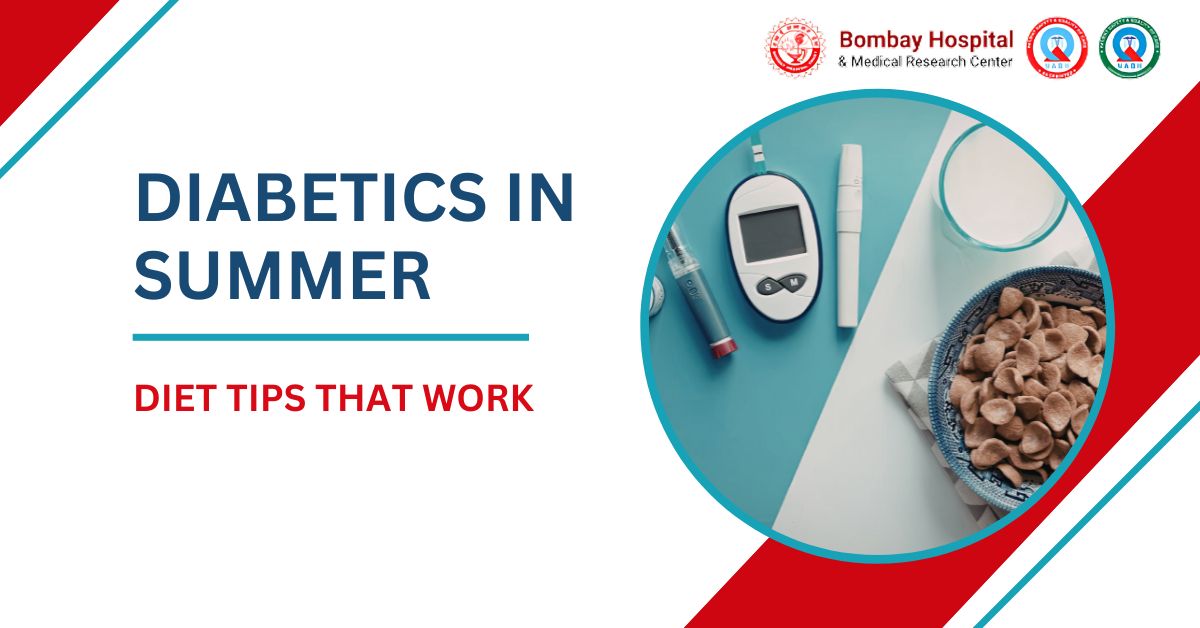
Summer can pose a particular challenge for people living with diabetes. The heat can affect blood sugar
levels, dehydration can become a risk, and it can be harder to maintain a healthy diet while trying to
stay cool. Understanding how to make the right food choices is essential for managing diabetes
effectively during the summer months. Consulting a specialist in diabetology can provide invaluable
advice for managing these challenges. In this blog, we will share practical diet tips to help diabetics
stay healthy during the heat, providing insights on what to eat and how to stay hydrated, among other
important considerations.
Staying Hydrated
Dehydration is a common issue during the summer, especially for diabetics. Hot weather causes
your body to lose fluids faster, which can lead to higher blood sugar levels. It is crucial to
keep yourself hydrated throughout the day.
- Water is Key: Drinking enough water is essential for managing blood sugar
levels. Aim for at least 8 glasses of water a day. Avoid sugary drinks or sodas, as they can
cause blood sugar spikes.
- Electrolyte-rich Drinks: Consider drinking sugar-free electrolyte beverages
to help replenish minerals lost through sweating. Coconut water, without added sugar, is a
good natural option.
- Avoid Caffeine and Alcohol: Both caffeine and alcohol can lead to
dehydration, so limit your intake. If you do consume them, balance it with extra water.
If you’re concerned about managing dehydration and its impact on your diabetes, consulting a
diabetologist in Mumbai
can provide
personalized strategies to maintain hydration and keep your
blood sugar levels in check.
Eating Light and Balanced Meals
During the summer, heavy meals can make you feel sluggish. Eating lighter, well-balanced meals
can keep your energy levels stable and help you manage blood sugar.
- Increase Vegetable Intake: Incorporate more non-starchy vegetables like
cucumbers, bell peppers, spinach, and leafy greens into your meals. They are hydrating, low
in calories, and have a low glycemic index, which helps regulate blood sugar.
- Lean Proteins: Include lean protein sources such as grilled chicken,
turkey, tofu, or legumes. These help keep you full longer without spiking blood sugar
levels.
- Whole Grains: Opt for whole grains like quinoa, brown rice, or oats, which
provide fiber and have a slower impact on blood sugar levels compared to refined grains.
Eating Fruits with Caution
While fruits are a healthy part of any diet, some can cause a rise in blood sugar due to their
natural sugar content. It's essential to be mindful of the types of fruits you choose during the
summer.
- Go for Low Glycemic Index Fruits: Berries like strawberries, raspberries,
and blueberries are excellent choices. Other fruits such as apples, pears, and watermelon
are also good options in moderation.
- Avoid High-Sugar Fruits: Tropical fruits like mangoes, pineapples, and
bananas can cause a rapid increase in blood sugar levels. It's best to consume them
sparingly and be mindful of portion sizes.
- Fruit Salads: Combining low-GI fruits with a small amount of citrus
dressing can make for a refreshing and diabetes-friendly summer snack.
Manage Portion Sizes
Overeating is a common risk, especially when attending summer barbecues or family gatherings.
Portion control is key to maintaining stable blood sugar levels.
- Use Smaller Plates: This simple trick can help prevent overeating and
encourage healthier portion sizes. It makes it easier to manage both calorie intake and
blood sugar levels.
- Listen to Your Body: Pay attention to hunger cues and stop eating when
you're satisfied, not full. Opt for smaller, more frequent meals rather than large portions
in one sitting.
Consider Cooling Foods
The summer heat often makes you crave cold foods, which can be both refreshing and healthy.
Choosing the right cooling foods can aid digestion and help you maintain healthy blood sugar
levels.
- Salads and Soups: Cold salads with protein, like a chicken Caesar or quinoa
salad, are easy to prepare and light on the stomach. Chilled soups such as gazpacho are
another great option to beat the heat while staying healthy.
- Frozen Fruits and Yogurt: Freeze fruits like berries or peaches to make a
refreshing treat. You can also blend them into smoothies or top them with a small amount of
plain Greek yogurt for added protein.
Avoid Sugary Snacks and Desserts
Summer treats such as ice cream, popsicles, and sugary sodas are tempting but can be dangerous
for diabetics. These snacks are high in sugar and can lead to spikes in blood sugar levels.
- Healthy Swaps: Instead of traditional ice cream, try frozen yogurt or
sorbet with no added sugar. You can also make your own fruit popsicles at home using fresh
fruit and water or coconut water as a base.
- Satisfy Your Sweet Tooth with Fruits: When you crave something sweet, reach
for a piece of fruit or a handful of berries. They provide natural sweetness without causing
the same blood sugar spikes as processed desserts.
Consultation at Bombay Hospital
If you are diabetic and looking to stay healthy during the summer months, seeking professional
guidance can make all the difference. Bombay Hospital and Medical
Research Centre, located in
the heart of Mumbai, offers specialized care in endocrinology, cardiology, and
other key medical
areas that can help manage your diabetes effectively.
Bombay Hospital provides consultation for various conditions, including diabetes management,
cardiology, nephrology, and pulmonary medicine. The
hospital’s experienced specialists can offer
tailored advice on diet, lifestyle changes, and medication adjustments during the hot summer
months.
To book an appointment, you can visit
their clinic.
FAQs
To manage blood sugar during hot weather, it is essential to stay hydrated, eat light
meals, and avoid sugary snacks. Monitoring blood sugar levels regularly and consulting a
healthcare provider for personalized tips is also important.
Fresh fruits like berries, yogurt, cucumber, and salads are excellent options for
diabetes-friendly snacks. Avoid processed snacks high in sugar or carbs.
Yes, but be cautious of the heat. It’s best to exercise during cooler parts of the day,
like early mornings or late evenings. Ensure you stay hydrated and monitor your blood
sugar before and after exercise.
It’s important to discuss with your doctor whether you need to adjust your medication
during the summer due to temperature fluctuations and increased physical activity.
Drink plenty of water and avoid sugary drinks. Consider drinking electrolyte-rich
beverages, and always listen to your body's thirst signals to prevent dehydration.
Conclusion
Maintaining a healthy lifestyle during the summer is crucial for managing diabetes effectively. By
following the right diet tips—staying hydrated, eating balanced meals, and making smart snack
choices—you can enjoy the summer without compromising your health. It’s always a good idea to
consult with a healthcare provider, such as those at Bombay
Hospital, for personalized guidance and
care to help you manage your diabetes throughout the season. Stay proactive, stay healthy, and make
the most of the summer!